If you want to open an online shop, whether you live in Oslo, Bergen or somewhere in Finnmark, you need the right platform. Shopify is one of the most popular solutions worldwide. But is it right for you?
In this blog, you’ll learn what Shopify is and who it is for, its advantages and limitations and who will benefit most by using it. I’ll also compare it with Norwegian alternatives so that you can weigh your options well.
What is Shopify?
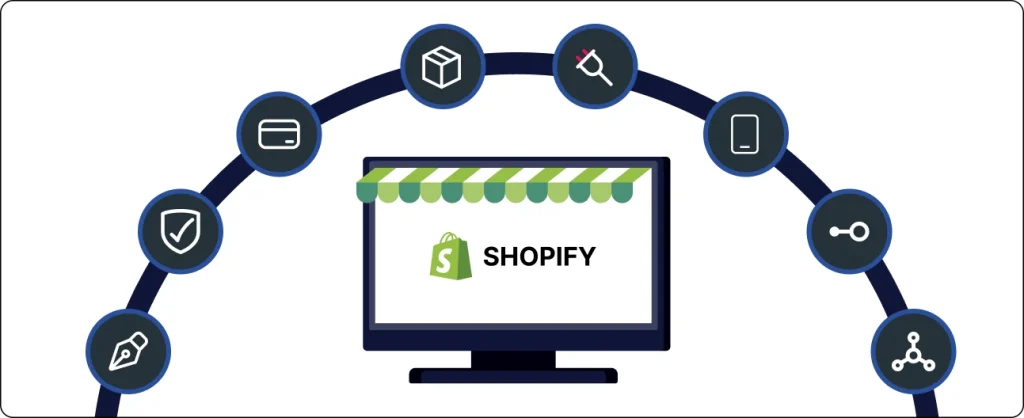
Shopify is an eCommerce platform that helps you build and run an online store. You do not need to write all the code yourself: Shopify gives you tools to design, manage products, process payments and ship orders. It handles hosting, security and updates for you.
Because it’s cloud based, you access Shopify through your browser. It comes with a visual admin panel. You upload your products, choose a theme (or template), set your prices, and launch your store. Shopify also supports plugins (called apps) that add features, like marketing tools, advanced shipping, or integrating with social media.
Shopify makes it easier to start selling online. You focus on your products and your customers, Shopify takes care of the technical side.
Features of Shopify
Here are the main features that make Shopify appealing:
Easy to design: Pre-made themes and drag and drop editors help you set up your store without heavy coding.
Secure and reliable: Hosting, SSL certificates and backups are included.
Payment options: Shopify payments support credit cards and you can add other gateways (Stripe, PayPal, local methods).
Inventory and order management: Track stock, handle orders, manage returns.
Apps and Integrations: Dozens or hundreds of add ons for marketing, loyalty programs, dropshipping, etc.
Mobile responsive: Both the admin panel and the storefront work well on smartphones.
Scalable: You can start small (a few products) and grow to thousands or more.
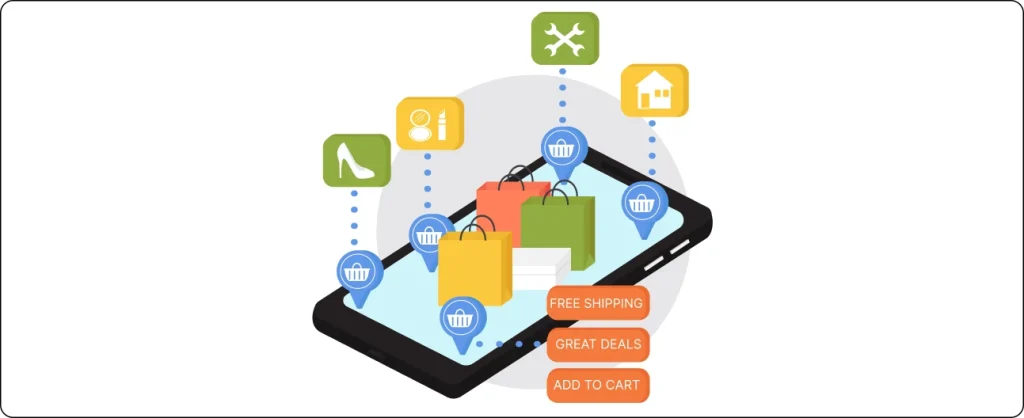
Multi channel selling: Sell through your online shop, but also via Facebook, Instagram, Google Shopping, or marketplaces.
These features give you a lot of flexibility to build a modern, fully functioning eCommerce store.
Shopify Plans and Pricing
Shopify has different plans that suit various sizes of business:
| Plan | Best For | Plan Cost |
|---|---|---|
| Basic | Small or new stores | $29 per month (includes a 14-day free trial) |
| Mid-tier | Growing stores | $79 per month (includes a 14-day free trial) |
| Advanced | Large stores | $299 per month (includes a 14-day free trial) |
You pay a monthly subscription. In addition, you may pay for premium themes, paid apps and transaction fees (depending on payment method). Before you choose a plan, check your expected sales, your product margin and whether you need advanced features.
Advantages of Using Shopify
Why might Shopify appeal to Norwegian users?
Fast Setup
You can launch an online store in hours. You don’t need a developer to build everything from scratch.
Reliable Infrastructure
Shopify manages hosting and security. You don’t worry about server uptime or updates.
Integration with Payment Methods
Although Shopify Payments is available only in certain countries, you can add popular local gateways such as Vipps, Klarna or local banks via apps. That makes checkout smooth for Norwegian customers.
Multiple Currencies and Languages
If you want to sell beyond Norway (e.g., to Sweden, Denmark or EU countries), Shopify supports multi currency selling and translated storefront via apps.
Professional Look
You get a modern design out of the box, with themes that suit mobile and desktop. That helps you look credible to Norwegian shoppers.
Scalability and Growth Potential
As your business grows, Shopify lets you upgrade or add new features easily.
App Ecosystem
You find marketing tools, accounting integrations that speak Norwegian accounting rules, and shipping solutions for Posten Norge or other carriers.
Limitations to Consider
Shopify is powerful, but it doesn’t fit everyone. Here are some possible drawbacks:
Monthly Fees and App Costs
Even if your basic plan is affordable, premium apps or features may cost extra. Those fees add up.
Transaction Fees (If not Using Shopify Payments)
If you use an external payment gateway, you may pay extra per sale. That increases the cost per order.
Customization Limits
Although you can edit theme code (Liquid template language), deep customization may still require technical skill or hiring a developer.
Dependence on Apps
Some features you want may not be included natively; you must install apps. Each app may have its own cost or complexity.
SEO and Content Limitations
You have good control over product pages, blog sections, etc. But Shopify is opinionated in some parts (URL structure, default blog features, etc.). If SEO is important for you, you need to know these trade-offs.
Platform Dependence
Because Shopify is a third party SaaS (Software as a Service), you rely on Shopify’s policies and terms. If they change pricing or rules, your store may be affected.
Local Regulation and VAT
Norway has specific VAT rules, customs (for goods imported), consumer rights and shipping. You need to ensure your Shopify store meets all legal requirements (returns policy, data protection, terms of service). Sometimes you will need local legal or tax guidance.
Who Should Use Shopify?

Shopify fits many different types of users. Below are several ideal profiles and some for whom it may not make sense.
Ideal Users
New Entrepreneurs
If you’ve never run an online store before and want to test an idea (e.g., local handicrafts, Norwegian design products, clothing, or food related items), Shopify lets you try without a large upfront investment.
Small to Medium Brands
If you already have products or want to scale, maybe sell in Norway and the EU, Shopify offers features and flexibility you’ll need as you grow.
Brick and Mortar Stores Going Online
Retail shops in Oslo, Trondheim or Stavanger that want an online channel can combine in store and online sales. Some Shopify themes and apps handle “click and collect”, local shipping rules or point of sale (POS) systems.
International Sellers
If you want to reach customers beyond Norway, Shopify supports currency conversion, multiple languages, and international shipping. It can help you handle cross border trade.
Businesses That Value Design and User Experience
If you want your site to look professional, load fast, work well on mobile and give a smooth checkout experience, Shopify gives you good tools and modern themes to deliver that.
Not Ideal Users
Very Low Margin Products
If your margin per item is very small, paying monthly fees plus app/transaction costs may eat too much profit. In such cases, you may need a simpler or cheaper solution.
Highly Custom or Unique Workflows
If your business process is extremely customized (complex pricing rules, subscription models not supported by default, unusual checkout flows), you might find Shopify restrictive. A custom built solution or open source platform could suit you better.
Strict Control Over Technology Stack
If you want full ownership of your code, database and hosting (for example, for regulatory or performance reasons), a self hosted ecommerce platfrom may fit your needs more.
Tiny Hobby Projects
If you sell only once-off items and don’t expect repeat sales (for example, only once per year), you may not want to pay monthly fees year-round.
Comparing Shopify with Norwegian Competitors
To decide, you should compare Shopify with platforms more commonly used in Norway. Here are some alternatives and how they differ.
24Nettbutikk
24Nettbutikk is a Norwegian e commerce platform. It offers local language support, built in VAT compliance for Norway and transparent pricing. On the minus side, you may find fewer theme options or less international scalability.
Visma e handel / Visma Netshop
Visma offers e commerce solutions integrated with its ERP and accounting system. If your business already uses Visma for invoicing and bookkeeping, Visma e handel may provide better integration. However, you may sacrifice some design flexibility or app ecosystem size compared to Shopify.
WooCommerce
With WooCommerce, you get flexibility and control. If you or your developer is comfortable with WordPress, you can build custom stores. But you need to manage hosting, security and updates yourself (unless you pay for managed WordPress hosting). WooCommerce may suit you if you want low cost start up and very custom features. It may not be as polished out of the box as Shopify.
Magento / Adobe Commerce
Mangeto is powerful and flexible. Large Norwegian retailers sometimes use Magento or Adobe Commerce, especially when they have high order volumes or very custom requirements. But it is more complex to set up, more costly to maintain and requires technical resources. For many small and medium businesses, it may be overkill.
Build Your Shopify Store with Nettsidedesign.no
Starting your online store doesn’t have to be difficult. Nettsidedesign.no helps you design, build, and optimize your Shopify store so you can focus on selling your products. Whether you want to reach local customers in Norway or sell to other countries, we create a shop that looks professional, loads fast, and works well on all devices.
Our team knows how to set up Shopify stores for the Norwegian market, from VAT and payment integrations to design and SEO. Contact us, let’s build a store that grows your business and gives customers a shopping experience they’ll love.
Key Takeaways
- Shopify is an e-commerce platform that helps you create an online store.
- You don’t need coding skills to build your store with Shopify.
- It includes hosting, security, and payment options in one place.
- Shopify works well for both small and large online businesses.
- You can sell in Norway and abroad using multiple languages and currencies.
- It supports popular Norwegian payment methods like Vipps and Klarna.
- Shopify apps let you add features for marketing, shipping, and more.
- The platform has monthly fees, but it saves time and technical work.
- It’s perfect for new entrepreneurs, small brands, and physical stores going online.
- Shopify helps Norwegian businesses build a modern and trusted online presence
FAQs
Do I need a company to start a Shopify store?
You can start as an individual, but registering a company (Enkeltpersonforetak or AS) helps with tax, branding, and trust.
Is Shopify better than WooCommerce in Norway?
It depends. Shopify is easier to use and hosted, while WooCommerce gives more control and flexibility. Many small Norwegian stores prefer Shopify for its simplicity.
Can I use Vipps with Shopify?
Yes. Shopify supports Vipps through third-party apps, so your Norwegian customers can pay fast using their phones.
Does Shopify handle Norwegian VAT (MVA)?
You can add VAT settings for Norway inside your Shopify admin. It calculates tax automatically on each order, but you must register for MVA if your sales exceed the legal limit.
Can I connect my Shopify store with accounting software?
Yes, you can integrate Shopify with Norwegian accounting systems using apps or plugins. This makes bookkeeping much easier.