Are you struggling to keep your website up to date while still attracting visitors and generating sales? Do you feel your current website looks outdated or loads too slowly to capture customers’ interest?
In 2026, user expectations have grown and businesses need websites that perform fast, look modern and guide visitors toward action.
Many websites fail because they focus only on visuals or content without considering speed, visuals or conversion. A well designed website today needs to balance aesthetics with functionality, delivering an experience that builds trust and encourages visitors to take action.
Key Highlights:
- AI assisted tools can support design and improve user experience
- Personalized content keeps visitors engaged and increases conversions
- Micro interactions and motion design guide users without distraction
- Accessibility ensures your site works for all visitors
Nettsidedesign creates custom website designs that combine speed, clarity and user focused design to help your business grow online. In this blog, you’ll learn the website design 2026 latest trends.
Latest Website Design Trends for 2026
Web design is evolving rapidly to meet both functional and aesthetic demands. The focus is on creating user centric, dynamic experiences that blend innovation with accessibility. Here are the latest design trends shaping the future of websites:
- Organic Shapes, Gradients and Flexible Layouts
- Websites That Work for You
- Design Tokens
- AI as Your Creative Partner
- Micro Interactions and Motion
- Personalized Experiences for Every Visitor
- Building Trust Through Strong Brand Storytelling
- Accessibility as a Standard
- Sustainable and Ethical Design
- Connected Web Ecosystem
- Speed Meets Creativity
1. Organic Shapes, Gradients and Flexible Layouts
Websites no longer need to follow rigid or rectangles. Using organic shapes, smooth color gradients and flexible layouts makes websites feel natural and inviting. Visitors notice these subtle details, which create a sense of flow and ease.
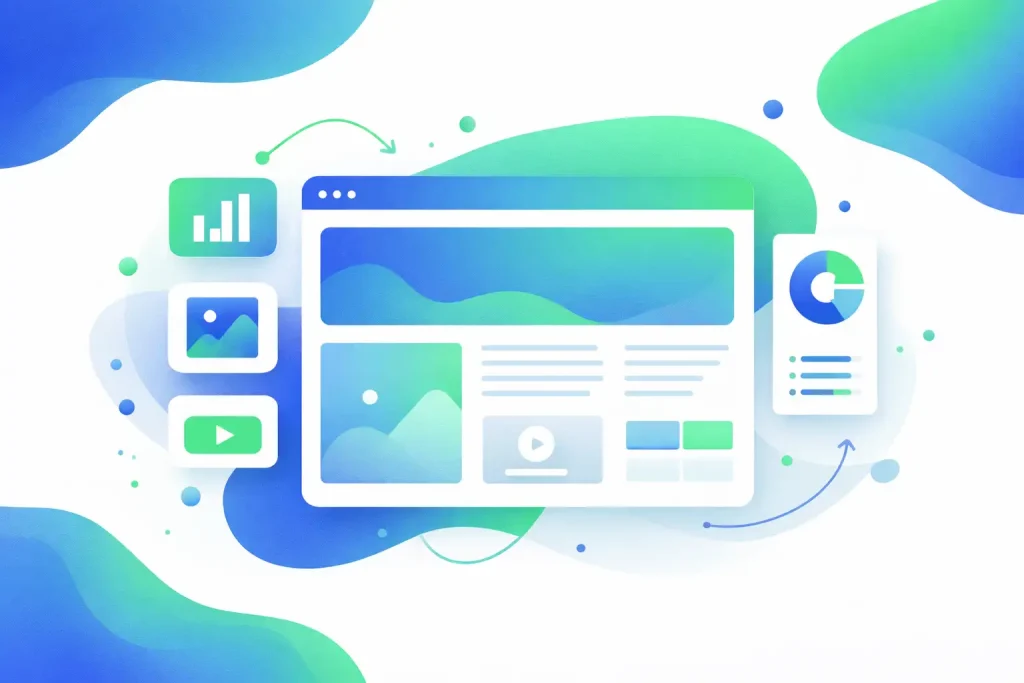
It works because it:
- Guides the eye naturally across the page
- Reduce visual clutter and stress
- Makes the website feel modern and approachable
- Supports brand personality visually
Flexible layouts adapt to screen size, content type and user behavior, making the site usable on mobile, tablet or desktop without losing style.
2. Websites That Work for You
Modern websites do more than only show information, they act like helpful assistant for your visitors. They can highlight important offers, suggest next steps or guide users toward key actions automatically.
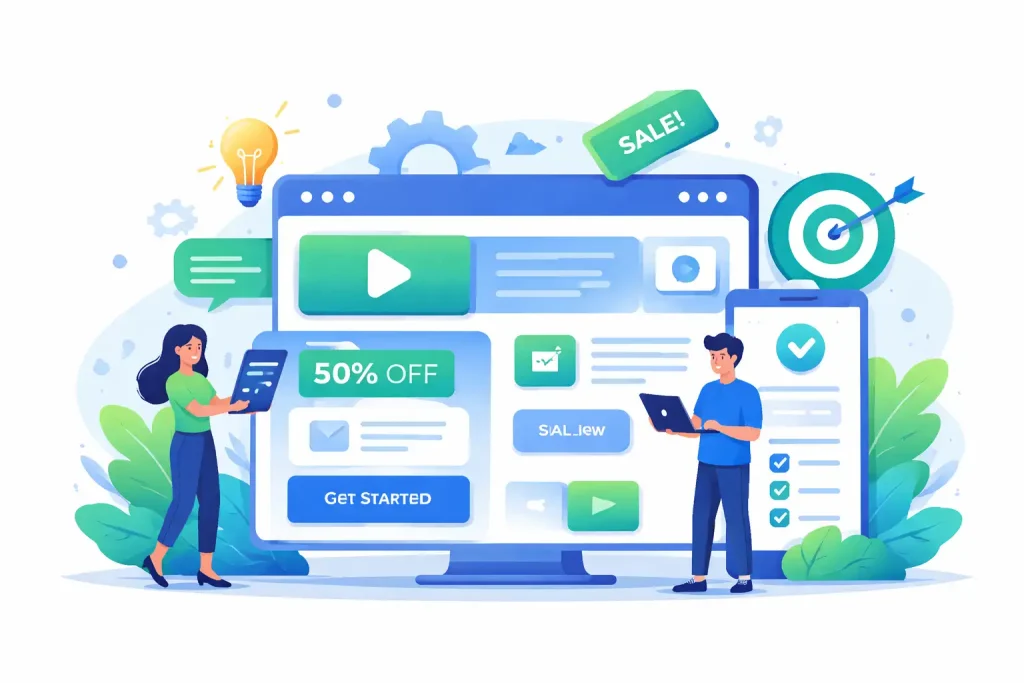
By anticipating visitor needs, these sites make the user journey smoother and encourage more conversions. A website that works for you reduces friction, improves engagement and actively supports your business goals.
3. Design Tokens
Design tokens are small, reusable elements such as colors, fonts, spacing and button styles that create a consistent visual language across your website.
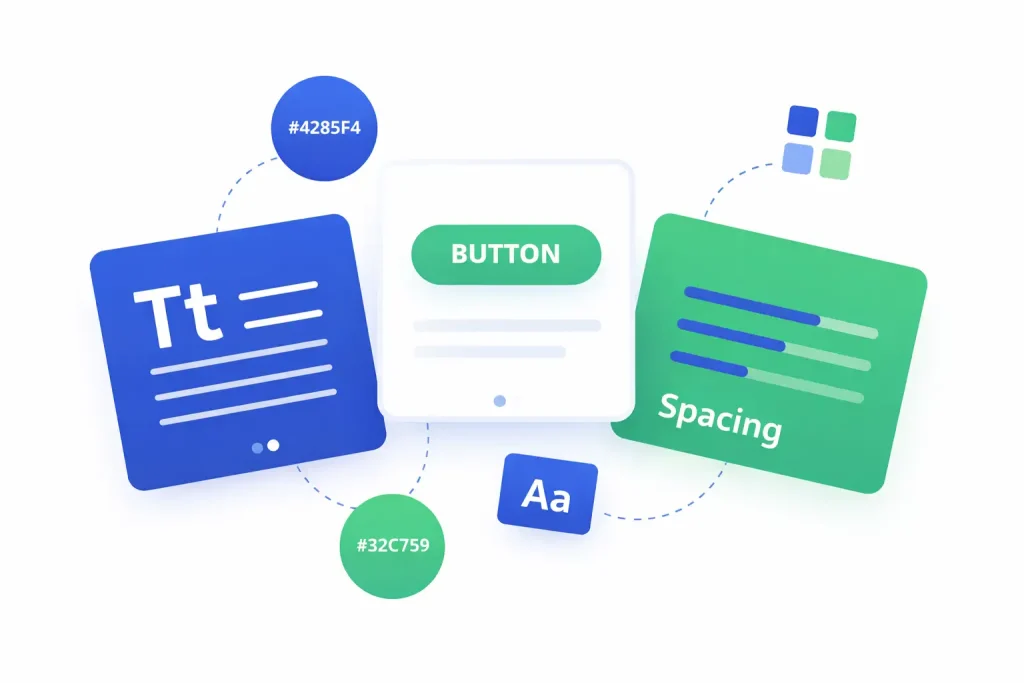
They ensure that every page aligns with your brand identity and maintains uniformity across devices. Tokens also make updates faster and simpler, allowing your website to scale efficiently as your business grows, without losing design consistency or quality.
4. AI as Your Creative Partner
Artificial intelligence is becoming an essential partner in web design. It can generate layout ideas, suggest visual elements or optimize content to improve user experience. By combining human creativity with AI insights, designers can create websites more efficiently without sacrificing quality.
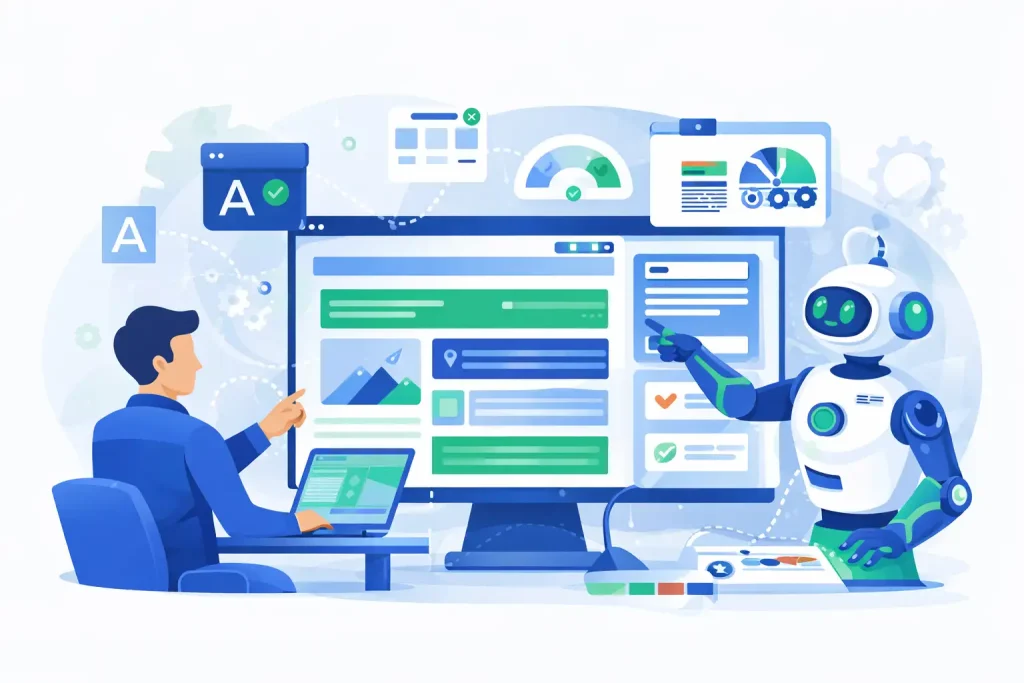
AI assists in testing different approaches, predicting user behavior and refining the design, ultimately helping you deliver a smarter, more effective website.
5. Micro Interactions and Motion
Subtle animations and interactions enhance the user experience without distracting visitors. Micro interactions, like button reactions, hover effects or smooth scrolling cues, guide users and provide feedback as they navigate the website.
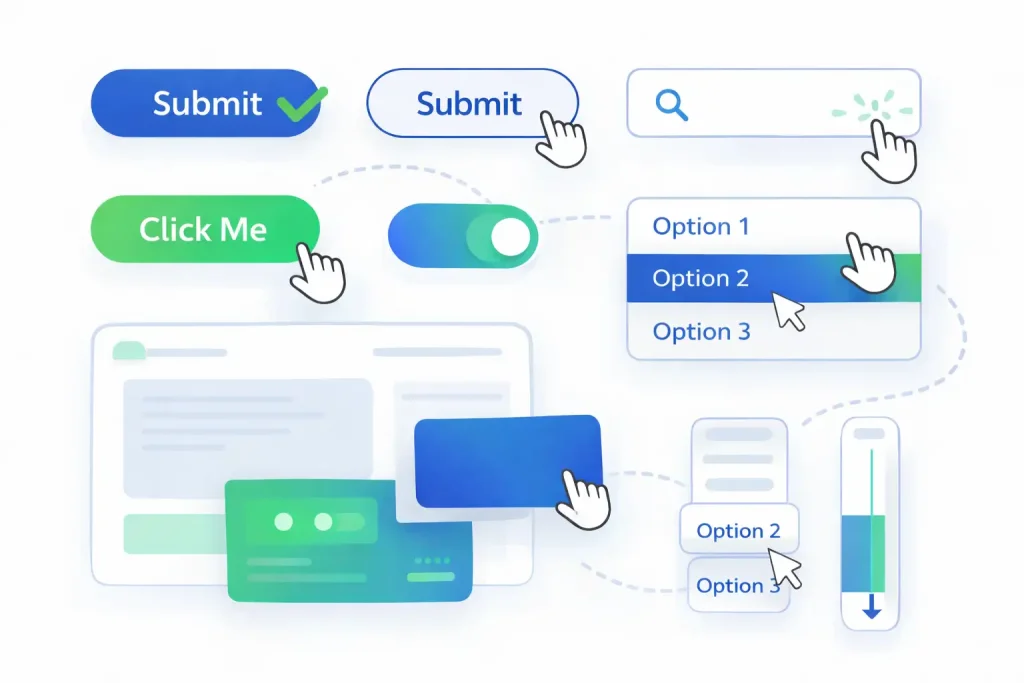
Motion in 2026 focuses on function rather than flashiness. Every movement should have a clear purpose, helping visitors understand the interface and making the website feel dynamic and responsive.
6. Personalized Experiences for Every Visitor
The website can now offer content and recommendations based on user behavior, location or preferences. Personalization keeps visitors engaged and increases the chance of conversion.
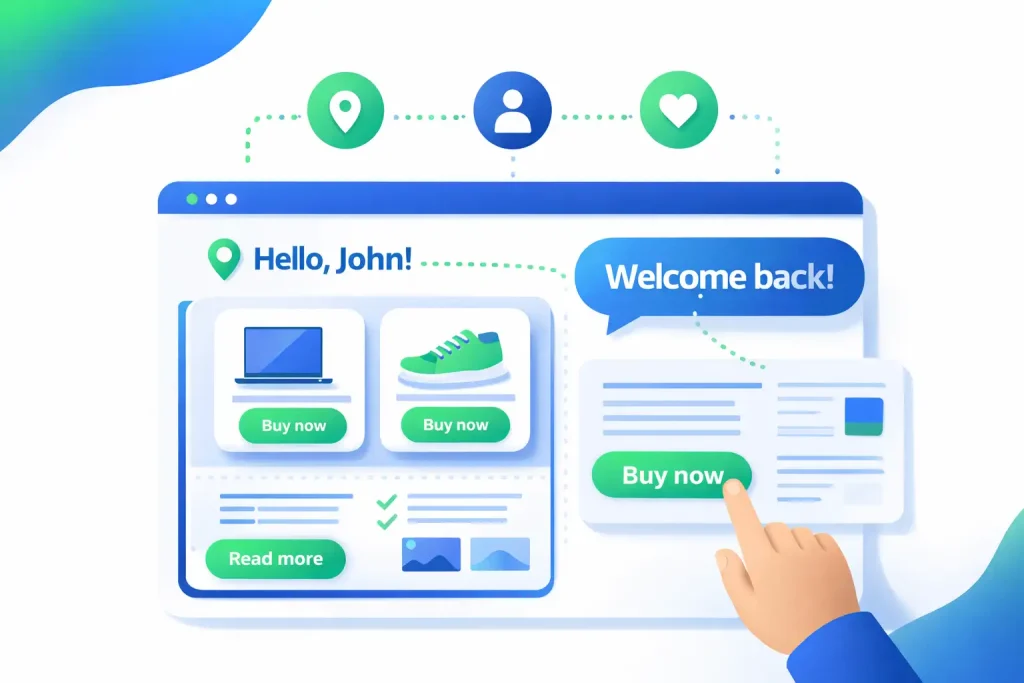
To personalize:
- Display relevant products or services
- Show dynamic messages or greetings
- Custom CTAs based on user journey
- Recommend content or blog posts based on past visits
A personalized approach makes users feel valued and understood, improving engagement and loyalty.
7. Building Trust Through Strong Brand Storytelling
Your website should tell a compelling story about your brand. Using authentic visuals, real customer testimonials and clear messaging helps visitors understand who you are and why they should choose your business.
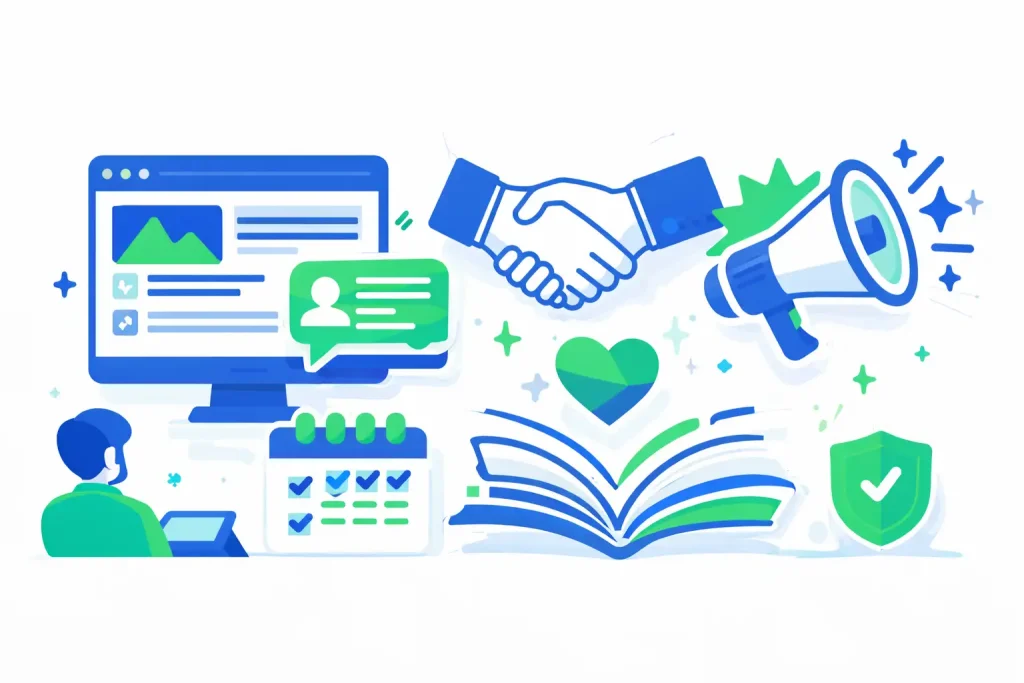
Effective storytelling builds trust and credibility, making your brand memorable and encouraging users to take action. A website that communicates your values clearly connects better with your audience.
8. Accessibility as a Standard
Designing with accessibility in mind ensures that your website works for everyone, including users with disabilities or those using different devices and internet speeds.
Accessible websites use readable fonts, strong color contrast, clear navigation and support for screen readers so that visitors can easily understand and interact with the content.
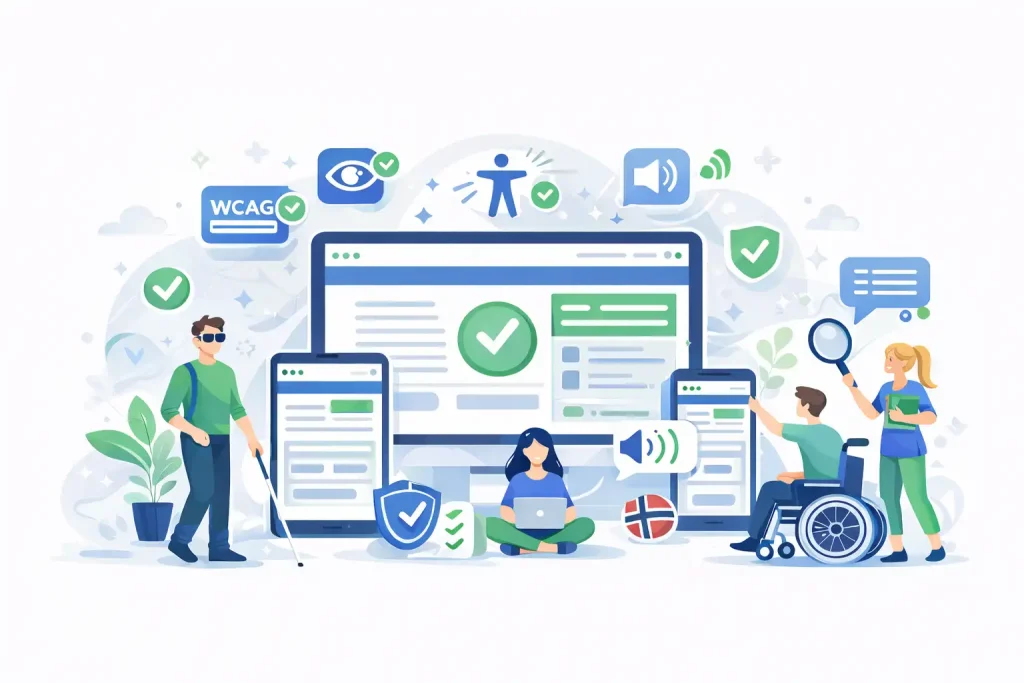
Norway also has strict regulations for digital accessibility. Under the Equality and Anti Discrimination Act, most public and private websites must follow the Web Content Accessibility Guidelines (WCAG), which set international standards for accessible web design.
These rules ensure that the website provides equal access to information and services for all users while demonstrating inclusivity and professionalism.
9. Sustainable and Ethical Design
Sustainable web design focuses on efficiency, environmental responsibility and ethical practices. Using lightweight code, optimized media and transparent data policies reduces energy consumption and ensures faster performance.
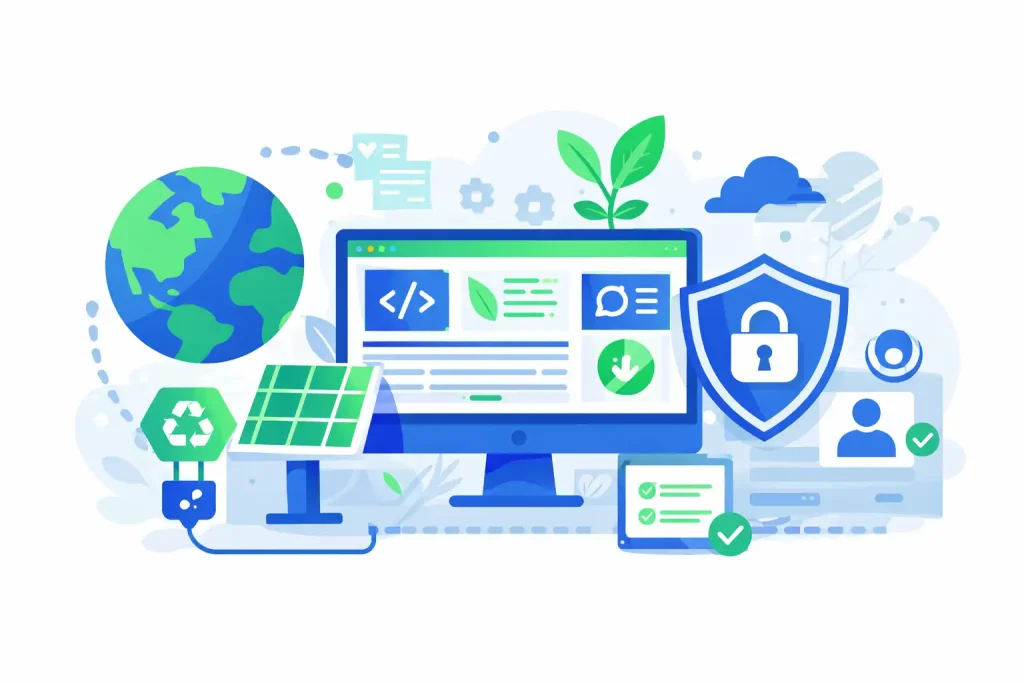
Ethical design also respects user privacy, creating a trustworthy online environment. Websites built with sustainability and ethics in mind benefit both users and your brand reputation.
10. Connected Web Ecosystem
Websites today are part of a larger digital ecosystem. Integrating your site with tools like CRMs, analytics platforms, and marketing software makes it a central hub for your business.
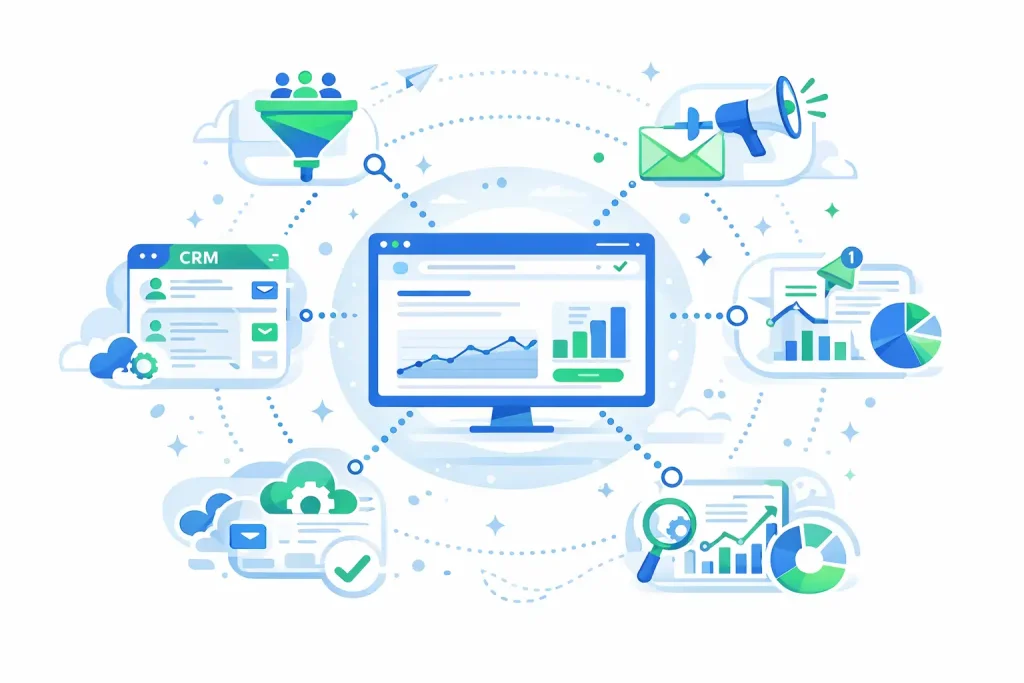
The benefits of a connected website are:
- Track leads and customer interactions
- Automate marketing workflows
- Monitor performance with analytics
- Connect multiple tools for a seamless experience
A connected ecosystem helps businesses manage data efficiently and make informed decisions.
11. Speed Meets Creativity
A website’s visual appeal is only valuable if it performs well. Fast, responsive sites keep visitors engaged while showcasing attractive designs. Performance first, creativity ensures that pages load fast, interactions are smooth and the user experience is seamless.
Balancing aesthetics with speed helps your site convert visitors more effectively and provides an enjoyable browsing experience.
Closing Thoughts
Website design in 2026 is not only about appearance. It is about creating fast, user focused and reliable digital experiences. Businesses that focus on performance, modern design and clear user journeys will stand out in a competitive online space. When a website loads fast, communicates value clearly and guides visitors toward action, it becomes a powerful tool for growth rather than just an online presence.
Build a Fast and Modern Website with Nettsidedesign
Your website should do more than exist online. It should attract visitors, guide them through your content and turn interest into real business results. A fast, modern and well structured website helps people trust your brand and make it easier for them to take action.
Nettsidedesign design websites that focus on speed, clarity and conversion. Our team builds solutions that match modern design trends while supporting your business goals. If you want a website that performs well and supports your growth in 2026 and beyond, contact us we are ready to help.
Key Takeaways
- Modern websites use organic shapes and gradients to create natural and engaging design.
- Websites now guide visitors and help them take the next step.
- AI support designers and improve website ideas and layouts.
- Design tokens keep colors, fonts and spacing consistent across the site.
- Small interactions and motion help users understand how the website works.
- Personalized content helps visitors see information that matches their need.
- Strong brand storytelling builds trust and helps people connect with the business.
- Accessible design allows people with different abilities to use the website.
- Sustainable design uses clean code and responsible data practices.
- Fast performance and creative design work together to create a better user experience.
FAQs
What is conversion focused website design?
Conversion focused design guides visitors to take action, such as contacting your business, signing up or making a purchase.
What is the difference between web design and web development?
Web design focuses on layout, visuals and user experience. Web development focuses on coding and building the technical structure that makes the website work.
How does website design affect online sales?
Good design guides visitors toward actions such as contacting your business or buying a product. Clear layouts, strong calls to action and fast performance help turn visitors into customers.
What is visual hierarchy in web design?
Visual hierarchy organizes content so visitors notice the most important information first.
How can design reduce website bounce rate?
Clear layouts, strong headlines and fast pages keep visitors interested and encourage them to explore more pages.