Looking to sell online to other businesses in Norway, but unsure if Shopify can handle B2B needs? Many companies start without planning, only to face slow ordering, confusing pricing or lost trust. Understanding how Shopify works for B2B upfront helps you avoid mistakes and set up for success.
Key Highlights:
- Shopify works for B2B in Norway with the right setup
- Success depends on pricing logic, accounts and buyer experience
- Shopify Plus offers strong native B2B features
- Standard Shopify Plans and apps can also support smaller B2B stores
- Clear structure and account based access build trust
B2B eCommerce is changing fast. More companies want to sell online to other businesses instead of selling only in person, by phone or by email. B2B online selling means a business sells products or services to another business using a website.
Many people know Shopify as a platform for small online shops that sell fashion, accessories, or gifts. This creates a common question:
Does Shopify’s online store work for B2B businesses in Norway?
The answer is yes, but with planning. The success depends on:
- How you configure the store?
- How you align with buyer expectations?
- How you use pricing, accounts and integrations?
Shopify can power business buyers, wholesale customers and complex pricing. It also supports modern features like personalized catalogs, automated processes, flexible payments and integration with systems businesses already use.
This guide explains how Shopify fits B2B needs in Norway, what works well, where limits exist and how companies can use Shopify the right way. Nettsidedesign helps companies to plan, build and scale stores the right way from day one.
What is B2B E-Commerce?
B2B eCommerce means selling products or services online from one business to another business. Instead of selling to individual customers, companies sell to retailers, resellers, distributors, or other organizations through a digital store.
In B2B eCommerce:
- Buyers act on behalf of a business
- Purchases may involve contracts and approvals
- Pricing can vary per customer
- Orders can include large quantities
- Payment may happen through invoices or net terms
- Tax handling (like VAT) must follow local rules
Shopify describes B2B eCommerce as selling products online from one business to another and this market is huge and growing.
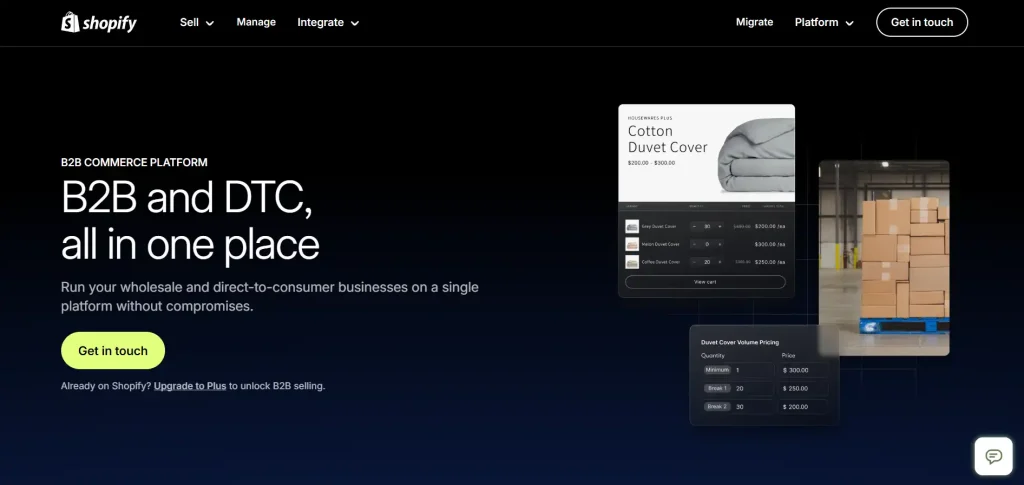
B2B selling in Norway follows clear patterns. Buyers expect clarity, trust and structure. They often know what they want and care less about design trends.
Typical B2B buyers look for:
- Clear pricing or contract based pricing
- Proper VAT handling
- Invoice and net payment options
- Bulk order and quantity based pricing
- Fast reordering from past purchases
- Account based access for companies
- Norwegian language and NOK currency
A B2B store must support business logic, long term relationships and repeat orders. It should make buying simple for business customers, not push impulse decisions.
Why B2B eCommerce is Important in 2026?
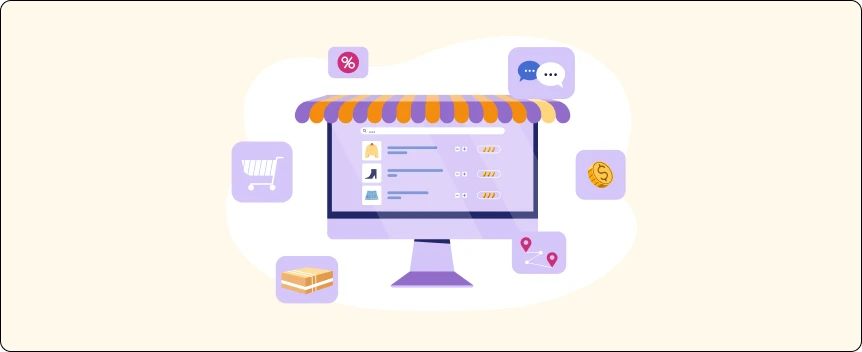
B2B eCommerce is growing worldwide. More buyers prefer online ordering over traditional channels. According to global data, B2B online sales are expected to rise significantly in the next few years.
Even in Norway, business buyers want efficient online experiences. They expect:
- Quick access to pricing
- Fast ordering
- Accurate stock information
- Easy reorders
- VAT and terms
This means B2B companies must offer more than just a price list or email order form.
Types of B2B E-commerce Models
B2B eCommerce does not follow one single model. Different businesses sell in various ways based on their industry, products and buyer relationships. Below are the most common B2B eCommerce models used by companies.
Manufacturer to Business
Manufacturers sell products directly to other businesses through an online store. This model gives full control over pricing, products, and customer relationships. It works well for companies that want to reduce dependency on distributors.
Wholesaler to Business
Wholesalers sell products in bulk to retailers or other businesses. Online B2B stores make repeat ordering simple and reduce manual work. This model is common for fast moving good and supplies.
Distributor to Business
Distributor act as a link between manufacturers and buyers. They manage large product catalogs and serve many customers. A structured B2B store helps buyers reorder fast and manage accounts easily.
B2B Marketplace
A B2B marketplace connects many sellers with many business buyers on one platform. The platform focuses on product discovery, trust and secure transactions. This model works well in industry specific sectors.
Service Based B2B
Service based businesses sell packages or contracts instead of physical products. Online stores support clear service details, pricing and contract terms. This model fits IT, consulting and maintenance services.
Subscription Based B2B
Businesses charge recurring fees for products or services. This model creates stable revenue and long term customer relationships. It works well for software, suppliers and ongoing services.
Hybrid B2B Model
Many businesses use more than one B2B model at the same time. A hybrid setup allows companies to sell to different buyer types from one platform. This supports growth and flexibility.
Does Shopify Work for B2B Businesses?
Yes, Shopify works for B2B, but you must understand what Shopify can do and what requires extra setup.
1. Shopify Plus
Shopify Plus is the enterprise version of Shopify. It includes strong B2B features, such as:
- Company accounts
- Custom pricing per customer
- Multiple buyers per account
- VAT handling
- Net terms (e.g Net 30, Net 60)
- Catalogs and product restrictions
This makes Shopify Plus a real B2B platform, with advanced features that fit companies selling wholesale or contract sales.
2. Standard Shopify Plans + Apps
Even without Shopify Plus, you can build a B2B experience with the help of apps. Apps provide:
- Customer login protections
- Tiered pricing
- Quote requests
- Wholesale pricing access
- Bulk order uploads
For smaller B2B companies, this setup can be powerful and cost effective.
3. Norway Specific Needs
Norwegian B2B buyers may expect:
- Norwegian language
- Prices in NOK
- VAT on invoices
- Local payment options
- Clear contract and legal info
Shopify allows you to customize all of these with proper setup.
Why Shopify Does well for B2B stores?
Shopify offers many strengths that help B2B sellers succeed.
Unified Platforms for B2B and B2C
If your company sells to both consumers and businesses, Shopify can run both within one system. You can create:
- A public B2C shop
- A private B2B portal
- Same product data and inventory
You do not need separate systemsunless your business logic demands it.
Customer Specific Pricing and Catalogs
B2B buyers often have negotiated prices. Shopify Plus lets you set:
- Special prices for a company
- Quantity discounts
- Product lists that only specific companies see
This creates a custom experience for each B2B customer.
Flexible Payment Terms
In B2B commerce, buyers often pay by invoice later. Shopify allows:
- Invoice options
- Payment terms
- Integration with accounting systems
This meets local business expectations.
Integration with Other Tools
B2B sellers usually rely on systems like:
- ERP
- CRM
- Accounting software
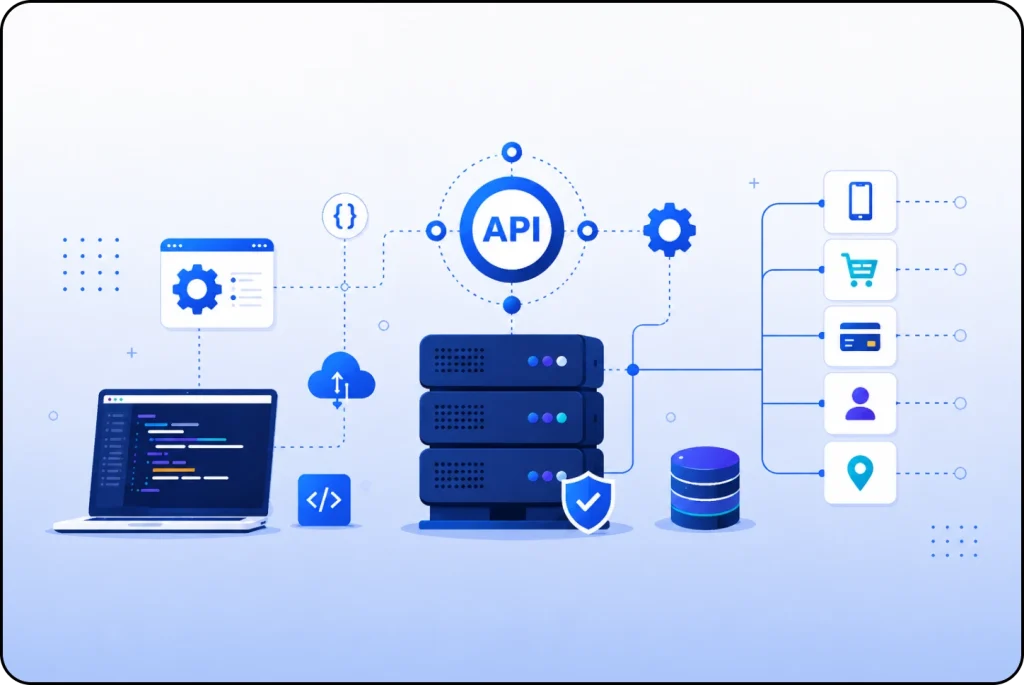
Shopify connects with many tools through APIs and apps. This keeps data in sync and reduces manual work.
Search and Navigation That B2B Buyers Like
Modern buyers expect strong search, filters and product discovery tools. Shopify can support:
- Fast search
- Category filters
- Custom product properties
- Quick reorder grids
This makes finding products easier for business buyers.
Why Shopify Needs Extra Work?
Shopify does not meet every B2B need by default. Some business setups require extra configuration or custom support.
Why Shopify Needs Extra Work?
Some B2B companies use approval steps, contract based buying or cross border compliance rules. Shopify does not manage these flows on its own. Apps or custom development usually handle this.
Very Custom Pricing Logic
When pricing includes many customer groups or contract levels, Shopify’s native tools may fall short. In such cases, added tools help to manage pricing.
Unique Buying Experience
B2B buyers often want fast ordering and account based work flows. Custom design helps shape these experiences beyond standard eCommerce layouts.
How B2B Buyer Expectations Have Changed?
Today’s B2B buyers expect the same ease they get from modern online stores. They want quick access to products, clear pricing and smooth ordering without long emails or calls. Buyers prefer self service options where they can log in, reorder past items and manage accounts on their own. A B2B store now needs to save time, reduce friction and support repeat purchasing rather than rely on manual sales processes.
The 2024 State of B2B Ecommerce Report reveals that many B2B companies struggle to meet modern buyer expectations, with 65% of executives saying ecommerce is “broken.” Poor product data, outdated processes, and inconsistent information remain major challenges, driving a strong need for digital transformation and better customer experiences.
These findings show a clear gap on what B2B buyers expect. Businesses that rely on outdated processes risk slowing down sales and losing buyer trust. A well structured B2B ecommerce store helps close this gap by improving accuracy, speed and consistency across the buying journey.
How Nettsidedesign Builds Better Shopify B2B Stores?
Nettsidedesign designs Shopify B2B stores. We start by understanding how your buyers order, pay and reorder. We set up clear pricing logic, account based access and smooth ordering paths.
Our focus stays on structure, usability and long term scalability. The result is a Shopify B2B store that supports daily operations and Contact us and let’s get started.
Closing Thoughts
- Shopify can support B2B ecommerce.
- B2B buyers expect self service, clear pricing and fast ordering.
- Account based access builds trust with business customers.
- VAT and invoice payment setup is important for B2B stores.
- Shopify Plus offers strong native B2B features for growing businesses.
- Smaller B2B companies can use Shopify with apps.
- Complex pricing and workflows may need custom solutions.
- Clear structure matters more than visual trends in B2B.
- Planning and setup decide B2B success on Shopify.
Key Takeaways
- Shopify works well in Norway, but setup mistakes reduce sales.
- Design should support business goals, not only looks.
- Clear structure helps users find products faster.
- SEO is important for getting organic traffic.
- Product pages must answer real customer questions.
- Too many apps slow down Shopify stores.
- Fast stores perform better on mobile devices.
- Shopify stores need regular updates after launch.
- A well planned store builds trust and long term growth.
Frequently Asked Questions
Can Shopify handle invoice payments for B2B customers?
Yes, Shopify supported invoice and net payment terms through built in features and integrations.
Do B2B Shopify stores need Shopify Plus?
Not always. Shopify Plus helps with advanced B2B needs, but many businesses start without it.
Can one Shopify online store handle both B2B and B2C?
Yes, Shopify allows separate customer groups, pricing and access within one store.
Is B2B Shopify secure for B2B transactions?
Shopify provides SSL, security, compliance standards and safe payment handling.
Can Shopify integrate with accounting systems?
Yes, Shopify can integrate with common accounting and ERP systems using apps or APIs.