For most entrepreneurs, Shopify is the better choice if you want a simple, fast and flexible online store that you can manage yourself. However, BigCommerce can be a stronger option for growing businesses that need advanced features, larger product catalogs, B2B selling tools and fewer third party apps.
The right choice depends on your business size, growth plans, product range and how much control you need over your eCommerce store.
This guide compares Shopify and BigCommerce from an entrepreneur’s point of view and explains which platform works better in different situations.
What is Shopify?
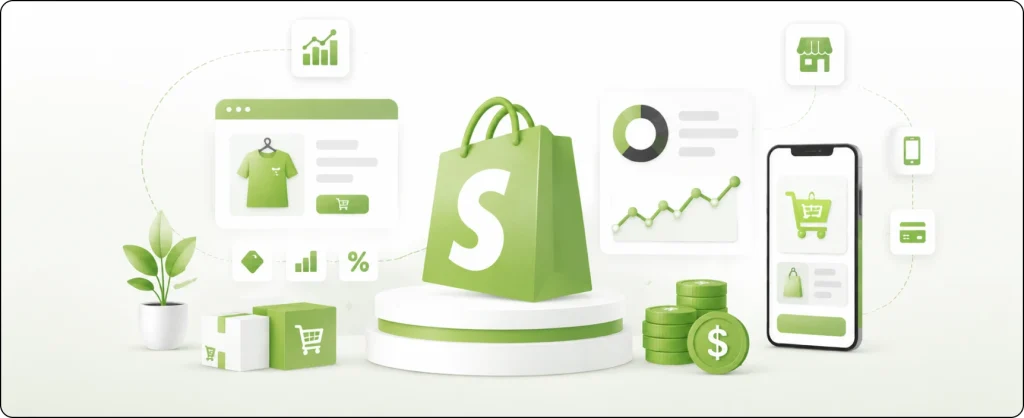
Shopify is a hosted eCommerce platform that helps businesses create and manage online stores without needing advanced technical skills. Entrepreneurs can use Shopify to add products, manage inventory, accept payments, track orders and sell through different channels such as websites, social media and marketplaces.
What is BigCommerce?
BigCommerce is a hosted eCommerce platform designed for businesses that need more built in features and flexibility as they grow. It helps companies manage products, payments, orders, customer accounts and multiple sales channels from one platform.
Choosing the Right Platform For Your Business
Starting an online store is easier than ever, but choosing the wrong eCommerce platform can create problems later. Many entrepreneurs compare Shopify and BigCommerce because both platforms offer professional tools to build, manage and grow an online store.
The decision is not only about design or monthly pricing. Factors like payment options, shipping solutions, scalability, integrations and long term costs all affect your success.
A small local brand selling handmade products may need a different solution than a company managing hundreds of products across the country and international markets.
Shopify vs BigCommerce
Selecting between Shopify and BigCommerce becomes easier when you compare the features that matter most for your business. The table below shows the main differences to help entrepreneurs understand which platform fits their needs better.
Aspect | Shopify | BigCommerce |
Best for | Startups and small to medium businesses | Growing businesses and larger stores |
Ease of use | Very beginner friendly | Easy but more business focused |
Design options | Large theme marketplace | Professional themes with strong customization |
Apps | Thousands of apps available | More built in features |
Product management | Good for most stores | Better for complex catalogs |
B2B features | Requires additional tools | Built in B2B features |
Scalability | Strong | Strong for larger operations |
Technical control | Moderate | Higher flexibility |
Both platforms can create successful ecommerce stores. The difference is how they support your business as it grows.
Why Many Entrepreneurs Choose Shopify?
Shopify has become one of the most popular ecommerce platforms because it removes many technical barriers. Entrepreneurs can launch a store quickly without managing hosting, security updates or complicated development work.
For a new business, this simplicity can save valuable time. A small clothing brand, beauty company, or local food producer can create a professional store, connect with payment providers, add products, and start selling without a large technical team.
Shopify is Good for Businesses Who Need Speed
Many entrepreneurs start with limited resources. They need a platform that allows them to test products, understand customer demand and improve their store over time.
Shopify offers:
- Easy store setup
- A large selection of themes
- Many marketing integrations
- Simple inventory management
- Strong mobile shopping experience
For businesses that focus on direct to consumer sales. Shopify provides everything needed to start and grow.
Shopify’s App Ecosystem Is a Major Advantage
One of Shopify’s biggest strengths is its large app marketplace. Businesses can add tools for:
- Email marketing
- Customer reviews
- Loyalty programs
- Product subscriptions
- Advanced analytics
- Shipping management
This flexibility helps businesses create a store that matches their needs. However, entrepreneurs should understand that many apps come with extra monthly costs. A store that depends on many paid apps can become more expensive over time
When BigCommerce is the Better Choice
BigCommerce is designed for businesses that need more built in eCommerce features. While Shopify focuses heavily on simplicity, BigCommerce focuses on helping businesses manage more complex operations without relying on many additional apps.
BigCommerce Is Stronger for Growing Stores
Businesses with:
- Large product catalogs
- Multiple sales channels
- Wholesale customers
- Complex product options
- International customers
May find BigCommerce more suitable.
For example, a Norwegian Company selling products across Scandinavia may need advanced pricing rules, customer groups and detailed product management. BigCommerce provides many of these tools directly inside the platform.
Built In Features Can Reduce App Dependence
One difference between the platforms is how they handle functionality. Shopify often uses apps to expand features, while BigCommerce includes more tools within its core platform.
This can help businesses reduce the number of external tools they need. However, BigCommerce may feel less beginner friendly for entrepreneurs who have never managed an eCommerce platform before.
Payment Solutions and Selling
Norwegian customers expect smooth and trusted payment experiences. Popular payment options include card payments, Klarna and local payment solutions.
Both BigCommerce or Shopify support major payment providers, but entrepreneurs should check which integrations work best for their specific business model.
A store targeting Norwegian customers should also consider:
- Shipping integrations
- Customer communication tools
- Return management
- VAT handling
- Local shopping habits
A platform should support your complete customer journey, not only product sales.
BigCommerce vs Shopify Pricing
The monthly subscription is only one part of the total eCommerce cost. Entrepreneurs should also consider app fees, payment costs, development needs and future growth expenses before choosing a platform.
BigCommerce
- Core: From $39/month
- Growth: From $105/month
- Scale: $399/month for stores with up to $400,000 in annual online sales. The price increases by $150/month for every additional $200,000 in annual online sales.
- Performance: Custom pricing based on your business and annual online sales.
- Free trial: 15 day free trial available on standard plans.
Shopify
- Basic: From $32/month
- Grow: From $92/month
- Advanced: From $399/month
- Plus: From $2,300/month
- Transaction fees: Additional fees may apply if you use a third party payment provider, ranging from 0.2% on Plus to 2% on Basic.
- Free trial: 3 day free trial available on most plans (not available for Shopify Plus).
The main difference is not only the subscription price. Shopify users may add more third party apps to expand functionality, while BigCommerce includes more built in features in its plan. Calculating the total monthly cost helps avoid unexpected expenses as the store grows.
The Hidden Cost Difference
Monthly subscription prices are only one part of eCommerce costs. Many entrepreneurs focus on the cheapest plan but ignore future expenses.
With Shopify, costs can increase when you add premium apps, custom features, advanced reporting tools and additional integrations.
BigCommerce may have higher starting complexity, but businesses can save money when they need advanced features already included in the platform.
Before choosing, calculate the total cost of running your store for the next two to three years.
Closing Thoughts
Shopify is the easier and more practical choice. It offers a simple setup, strong design options and a large ecosystem that helps small businesses grow. However, businesses with more complex needs should consider BigCommerce.
otIts built in features, scalability and strong product management tools make it a better fit for larger eCommerce operations. The right decision depends on where your business is and where you want it to be in the future.
Build Your Ecommerce Store With the Right Platform
A successful online store needs more than an attractive design. It needs a smoother user experience, mobile responsive performance, secure payments and a structure that helps customers complete purchases easily.
Nettsidedesign helps businesses create eCommerce websites that match their goals. Whether you need a Shopify online store, BigCommerce solutions or a custom eCommerce website. Our team is here to help you.
Contact us to discuss your eCommerce project and find the right platform for your business.
Key Takeaways
- Shopify is ideal for entrepreneurs who want simplicity and fast growth.
- BigCommerce works better for complex and growing ecommerce businesses.
- Monthly subscription cost does not show the full investment.
- Businesses should consider payments, shipping and scalability.
- The best platform depends on your business model, not popularity.
- Planning helps avoid expensive platform changes later.