Are you still using WordPress the same way you did five years ago? If yes, your website may already be falling behind modern standards. Users today expect instant loading, smooth interactions and mobile first experiences.
Traditional WordPress struggles to meet these expectations at scale. Too many plugins, slow themes and limited customization hold businesses back.
Headless WordPress changes the structure completely and opens space for faster, more flexible digital platforms.
Key Highlights:
- Headless WordPress separates content from design
- It improves speed and performance
- It works well with modern frameworks like React and next.js
- It supports multi channel content like apps and smart devices
Nettsidedesign helps businesses to build websites that focus on performance, scalability and real user experience. Our goal is to make them work better for long term growth.
In this blog, you’ll learn what headless WordPress is, how it works and whether it is the right future choice for Norwegian websites.
What is Headless WordPress?
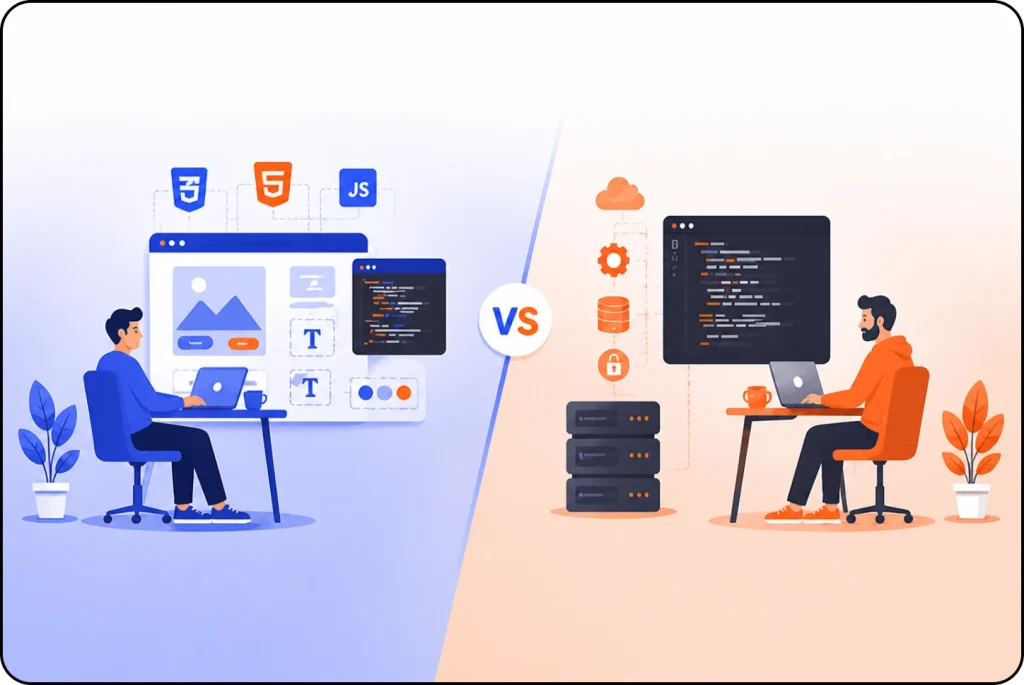
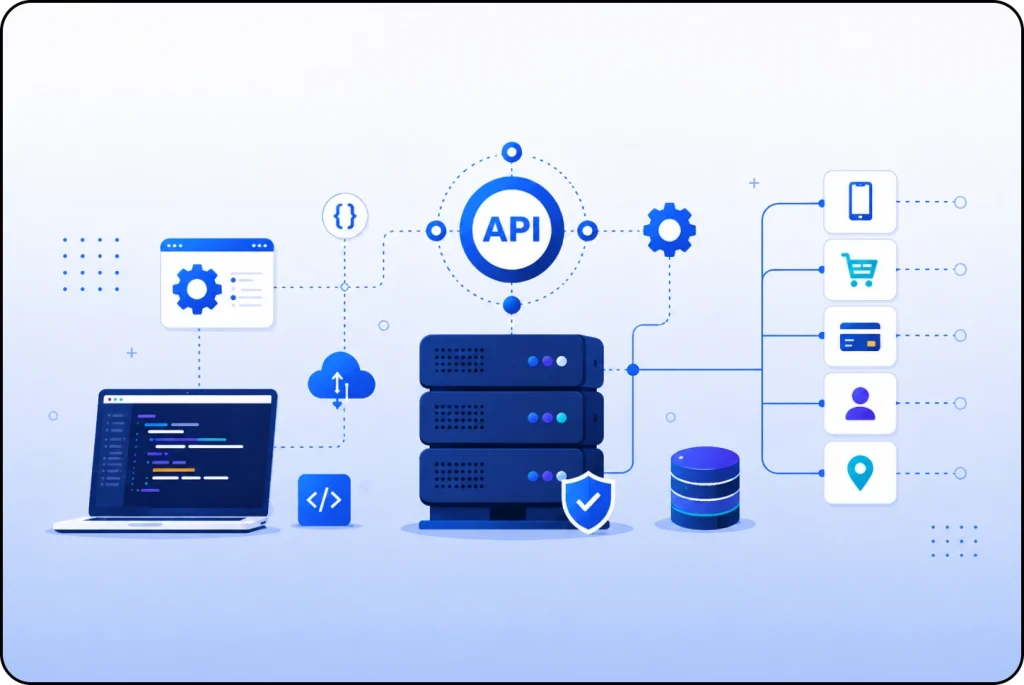
Headless WordPress means using WordPress only to manage content, not to display it. You still write blog posts, create pages and upload pictures in the WordPress dashboard, but WordPress no longer controls how the website appears. A separate system handles the design and shows the content to users through an API.
This setup gives developers full freedom to build quicker and more flexible websites using modern tools like React or Next.js. At the same time, content teams keep the familiar WordPress editor, so daily work stays simple while the website becomes easier to scale, secure and personalize.
How Traditional WordPress Works?
Traditional WordPress handles everything inside one system. It manages content, controls design, runs the website logic and displays pages using themes and templates. All parts stay connected, which makes the setup simple at the start.
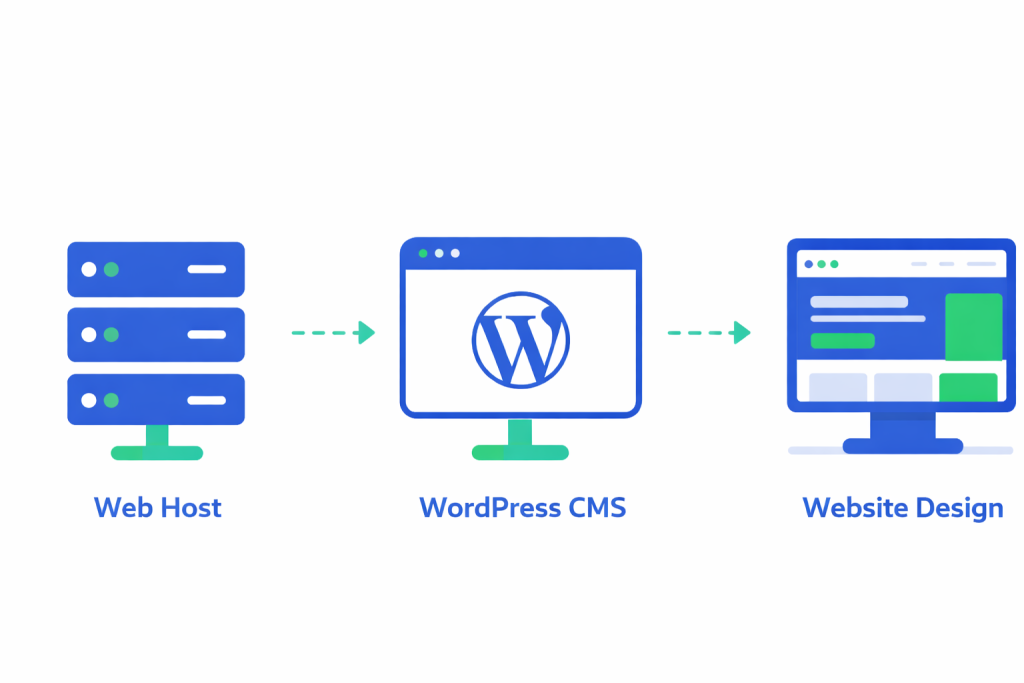
This structure works for beginners, but it creates limits over time:
- Pages load slower as the site grows
- Modern tools are harder to integrate
- Updates can break layouts or features
- Performance turning stays limited
- Too many plugins create conflicts
For small blogs, this setup feels enough. For growing businesses, it becomes a barrier to speed and flexibility.
Benefits of Headless WordPress
Headless WordPress gives businesses more control over how their website performs and grows over time. Below are the top 5 benefits of headless WordPress:
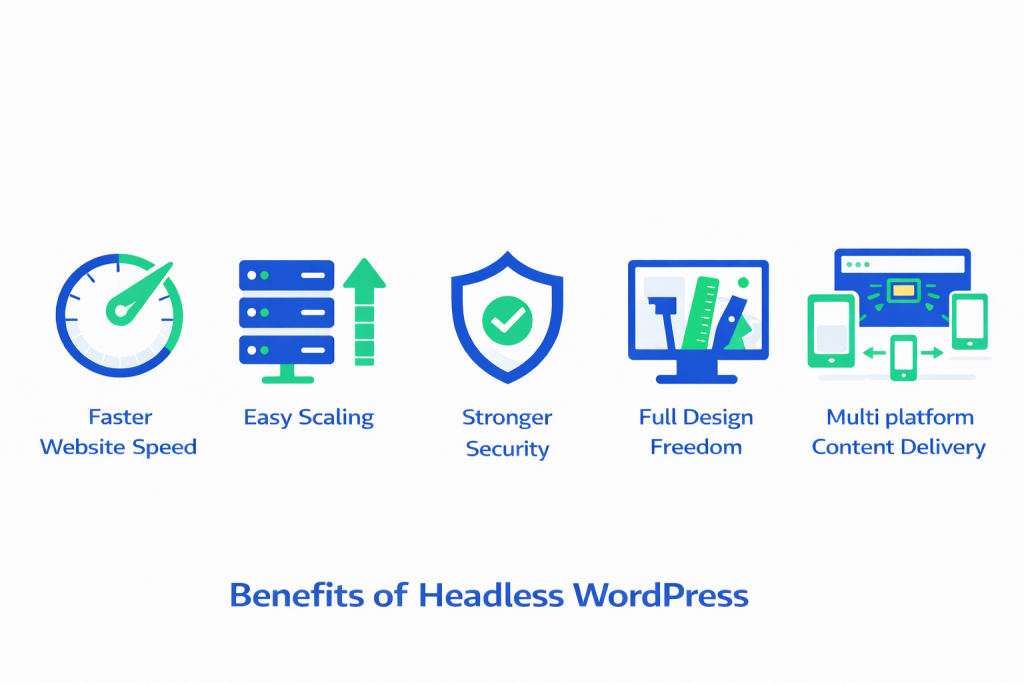
Faster Website Speed
Headless websites remove heavy themes and unused scripts. Only the required data loads on each page, which improves speed, reduces bounce rates and helps users find information without waiting.
Easy Scaling
You can scale traffic handling, hosting and resources separately for frontend and backend. This helps the website stay stable during growth or high user demand.
Stronger Security
The frontend does not expose WordPress directly. This means login pages, plugins and admin areas stay hidden from public access, which lowers the risk of hacking and data leaks.
Full Design Freedom
Designers and developers can create custom interfaces without following WordPress theme rules. This allows better branding, smoother user journeys and more interactive experiences.
Multi platform Content Delivery
The same content can be shared across websites, mobile apps, tablets and smart devices. This keeps messaging consistent and saves time on content management.
Challenges of Headless WordPress
While headless WordPress brings many benefits, it also comes with some challenges. Businesses should be aware of them before making the switch.
More Complex Development
Unlike traditional WordPress, headless setups require separate systems for frontend and backend. This means developers need advanced skills to connect everything and ensure it works well.
Higher Setup and Maintenance Costs
Building a headless website is more expensive at the start. You also need ongoing maintenance for both the frontend and backend, which can cost more than a regular WordPress website.
Content Preview Challenges
Because the frontend is separate, seeing how the content looks before publishing can be tricky. Teams may need extra tools or workflows to preview the page.
Missing Some WordPress Features
Features like ready made themes, certain plugins and built in preview tools may not work as expected. Some customization may require additional coding or alternative solutions.
Is Headless WordPress the Future for Norwegian Businesses?
Norwegian businesses are under growing pressure to offer fast, smooth, and modern websites. Traditional WordPress can manage small websites well, but as visitors grow and features become more complex, it struggles to keep up.
Headless WordPress separates content from the website design. This enables websites load faster and stay more secure. It also allows more modern and flexible designs. The same content can be used on many platforms. This includes websites, mobile apps, and digital displays.
It needs more technical work at the start. It can also cost more in the beginning. But the long term benefits are strong. Businesses get better performance and more flexibility.
Websites are easier to scale as the business grows. Users also get a smoother experience. For companies in Norway that want to be ready for the future, headless WordPress is becoming a popular choice.
Technologies Used With Headless WordPress
Headless WordPress works best when paired with modern web technologies.
Common tools include:
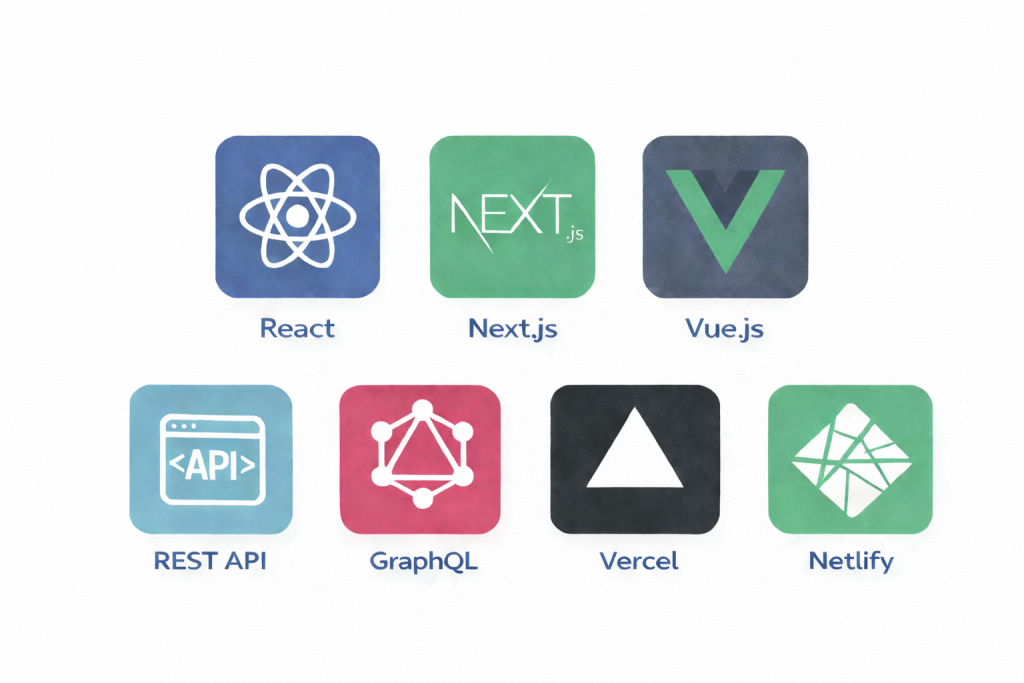
- React: A popular library for building dynamic and interactive user interfaces. It makes websites feel smooth and responsive.
- Next.js: A framework that works with React to render pages on the server. It improves SEO and page load speed.
- Vue.js: A lightweight framework for creating fast and clean user interfaces, ideal for smaller projects or specific components.
- GraphQL / REST API: Tools that connect the backend (WordPress) with the frontend. They let content move between systems.
- Vercel / Netlify: Modern hosting platforms that deploy and deliver websites fast, ensuring fast performance for users.
These technologies together allow developers to build websites that are modern, secure and ready for growth.
Headless WordPress vs Traditional WordPress
Below is the comparison to help you understand the main differences between headless WordPress and traditional WordPress.
| Feature | Headless WordPress | Traditional WordPress |
|---|---|---|
| Speed | Loads only what is needed, very fast | Can be slow due to heavy themes and plugins |
| Design Flexibility | Full freedom, custom layouts, animations and interactions | Limited by themes and templates |
| Security | Stronger, frontend separate from WordPress backend | Moderate, backend exposed, higher risk from plugins |
| SEO | Strong, server side rendering and full control over metadata | Good, relies on plugins and theme setup |
| Scalability | Easy to scale frontend and backend independently | Hard to scale everything depends on the same system |
| Set up and maintenance | More complex, requires developer expertise | Simple, beginner friendly |
| Multi channel Support | Yes content can go to websites, apps, screens and devices | No, content tied to the website only |
Closing Thoughts
Headless WordPress is changing how modern websites are built. It fixes many problems that traditional websites have. The biggest benefits are better speed, more flexibility, and easier scaling.
Not every business needs it right now. But for Norwegian companies that want to grow and stay competitive online, headless WordPress is a smart choice. It is not only a trend. It is a future ready way to build websites.
Build a Future Ready Website With Nettsidedesign
If your website feels sluggish, restrained, or hard to scale, headless WordPress may be the right move. Nettsidedesign helps Norwegian businesses design websites that prioritize overall performance, flexibility, and long term value.
Our team builds custom digital solutions that support growth, improve user experience, and stay relevant as technology evolves. Your website should not just exist online, it should work as a powerful business tool. Contact us and let’s get started.
Key Takeaways
- Headless WordPress uses WordPress only for content, not for design.
- It helps websites load faster and feel smoother.
- Norwegian businesses benefit from better performance and SEO.
- Designers are not limited by themes or templates.
- Security improves because WordPress stays hidden from users.
- The same content can be used on websites, apps, and other platforms.
- Headless systems scale better as traffic grows.
- It costs more at the start but saves money in the long run.
- Content teams still use the same WordPress dashboard.
- Headless WordPress is a strong choice for future focused businesses.
FAQs
Should I use headless WordPress?
You should consider headless WordPress if your business needs high performance, custom features and plans to scale in the future. If your website is small or you want a simple setup with low cost, traditional WordPress may be a better choice for now.
Do I still need WordPress plugins in a headless setup?
Some plugins still work for content management, but many frontend plugins are no longer needed. This reduces clutter and improves performance.
Is headless WordPress good for multilingual websites?
Yes, it works well with multilingual setups and makes it easier to deliver content in different languages across platforms.
Can non technical users manage a headless website?
Yes, content editors still use the normal WordPress dashboard. They do not need to touch any technical parts.
Does headless WordPress support analytics and tracking tools?
Yes, you can integrate tools like Google Analytics, Hotjar and other tracking systems on the frontend.