You finally invest in a website. You like the design. It looks clean. But weeks pass and nothing happens. No calls. No messages. No sales. This is a common problem for many businesses. The real issue is not the website itself; it is what the website is missing.
Most websites fail because they focus on looks and forget purpose. A website is not only a digital brochure. It should guide visitors, build trust, and push them to take action. If even one important element is missing, people leave without doing anything.
Key highlights
- Clear message that explains your services
- Simple navigation for easy browsing
- Fast and mobile responsive design
- Strong trust elements like reviews and security
Before we go deep, one thing matters: a good website is not about trends. It is about solving user problems in a simple way. That is what successful websites do.
We see many websites that look fine but do not perform. In most cases, the problem is not design. It is missing core elements.
In this blog, you’ll learn what is important to have on the website, which elements help improve user experience, trust and performance.
What are the Essential Features of a Successful Website
Every website should do more than just look good. It must guide users, build trust and support business goals. Here is what is important to have on the website:
- Responsive and User Focused Design
- Clear Actions for Users
- Consistent Brand Identity
- Real Reviews and Testimonials
- Fast Page Speed
- SEO Ready Structure
- Social Media Presence
- Website Security
- Easy Navigation
- Strong Footer Section
- Backups and Testing Environment
- FAQ Section
- Newsletter Signup
1. Responsive and User Focused Design

Your website must feel natural on every device. Most users now visit from mobile first, so your layout should fit small screens without breaking content or design. Text should stay readable, buttons should stay easy to tap and images should resize properly.
A responsive interface also reduces bounce rate. When users do not struggle, they stay longer and explore more pages. This sends positive signals to search engines and improves overall performance.
2. Clear Actions for Users

Visitors should never guess what to do next. Each page should guide them toward one main action. This could be contacting you, booking a meeting or requesting a quote.
Good calls to action feel helpful, not pushy. They appear at natural points in the content and match the page goal. When actions stay clear, conversions increase without pressure.
3. Consistent Brand Identity
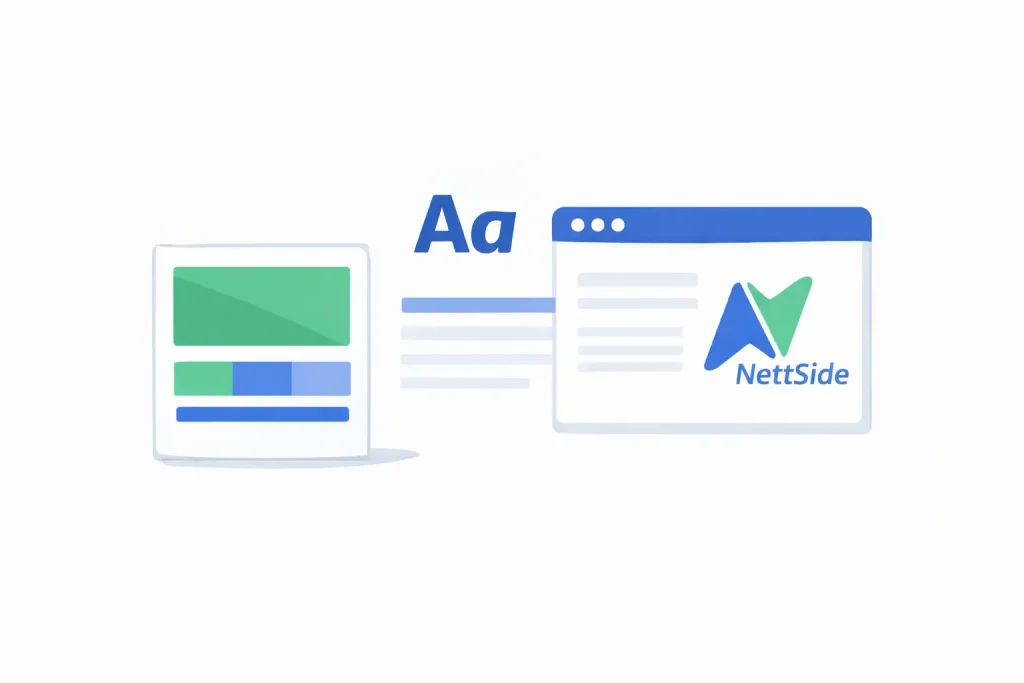
Branding is not only about colors. It is about voice tone and feeling. Your website should sound like one person speaking, not many. Every page should reflect the same style and message.
Consistent branding includes the same:
- Color palette across all pages
- Fonts and spacing
- Tone in content
- Logo and visual style
When branding stays consistent, users remember you. They recognize your business even outside your website, such as on social media or in emails. This builds long term trust and makes your brand easier to recall.
4. Real Reviews and Testimonials
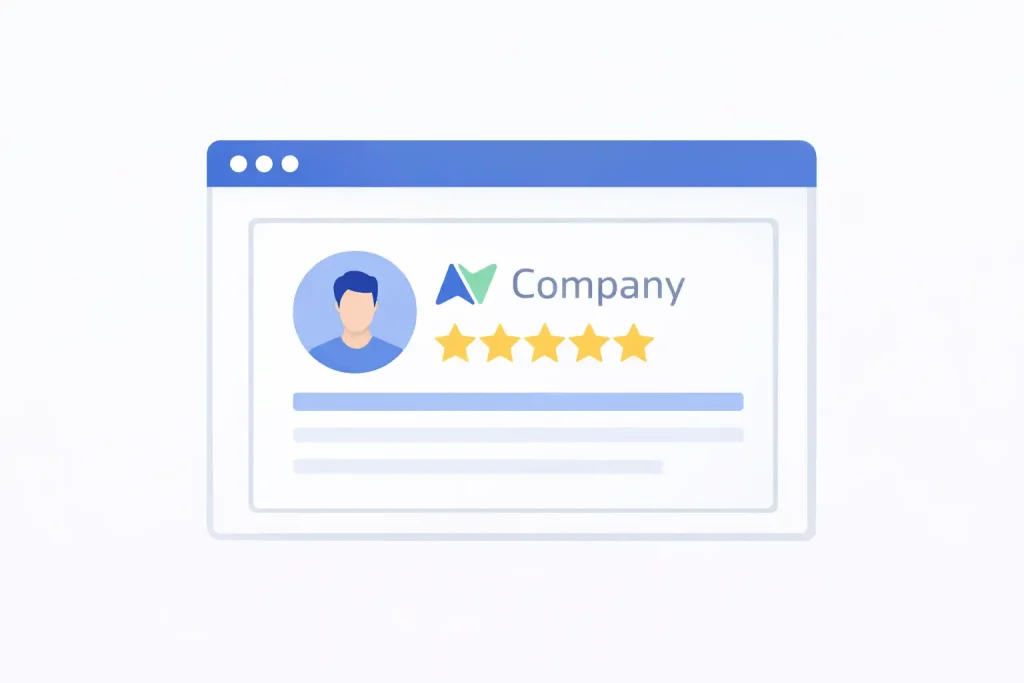
Reviews reduce fear. They show that others trusted you and that you delivered value. Even short testimonials help users feel safe. They remove doubt and make your business feel more reliable.
Adding names, company logos or photos makes them stronger. Real feedback feels honest and supports your claims better than marketing text. It also helps users make faster decisions without needing extra reassurance.
5. Fast Page Speed
Speed shapes the first impression of your website. A slow website feels outdated and makes users lose interest within seconds.
Why speed matters:
- Keeps the user engaged
- Reduces bounce rate
- Improve overall experience
What affects speed:
- Large image files
- Weak hosting
- Unoptimized code
- Website caching
Fast websites keep users focused and reduce frustration. They help visitors move well from one page to another without waiting. The smoother the experience, the more likely users are to stay longer and explore your services.
6. SEO Ready Structure

SEO is not about tricks. It is about clarity. When your content answers real questions, search engines reward it. This makes your website easier to find for the right audience. Well organized content also keeps visitors engaged and encourages them to explore more pages.
Important elements to focus on:
- Clear page titles and headings
- Readable URLs
- Internal linking between pages
- Proper use of meta descriptions and image alt text
A strong structure helps both and users and search engines understand your pages. It also supports voice search and featured snippets, which can increase your visibility without paid ads.
7. Social Media Presence

Social media links show that your brand exists beyond. They make your business feel real and trustworthy. They also help users learn more about your services and updates. Also helps reinforce your brand identity and voice across different platforms.
Users often check social profiles before contacting a company. Active accounts build familiarity, keep visitors engaged and encourage them to return to your website. They also create more opportunities for users to connect with the brand.
8. Website Security

Security protects your reputation. If a website gets hacked or shows warnings, users lose trust. A secure website shows professionalism and builds confidence. It also prevents potential financial and data loss for your business.
Regular updates and secure hosting prevent issues. A safe website also protects user data and forms. Implementing strong passwords and SSL certificates adds extra protection. Monitoring for vulnerabilities ensures your website stays safe over time.
9. Easy Navigation

Navigation is silent guidance. It should feel invisible. Users should understand where to click without thinking too much. Good navigation makes the website feel simple and stress free. Clear menus help visitors find information faster and reduce confusion.
When users move easily, they feel in control. This increases engagement and lowers exit rates. Simple navigation also encourages users to explore more pages and stay longer on your website.
10. Strong Footer Section
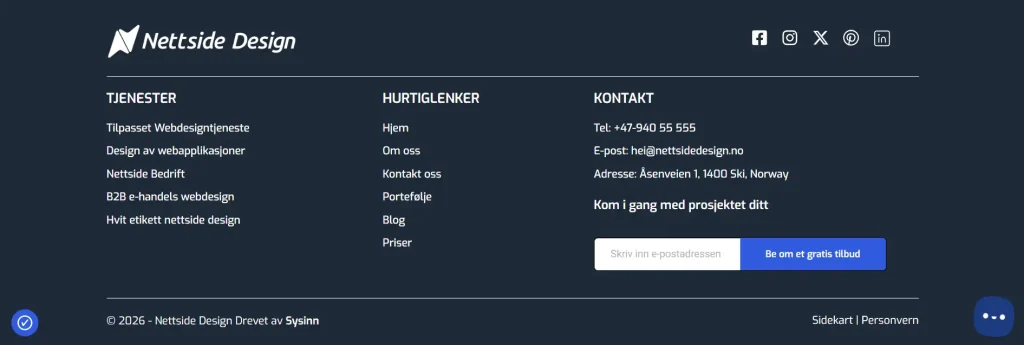
The footer supports users who reach the bottom. Many users scroll there to find contact details. It also helps users who want quick access to key pages. It acts as a second chance for visitors who did not find what they needed at the top.
A well built footer saves time and reduces friction. It should include important links, social icons, and legal pages. This makes your website feel complete and organized.
12. FAQ Section
FAQs remove hesitation. They address doubts before users ask. They help users feel more confident about your services.
It is useful because they:
- Save time for users
- Reduce repetitive questions
- Support faster decisions
This speeds up decisions and reduces support messages.
13. Newsletter Signup

A newsletter turns one time visitors into long term contacts. It helps you stay connected with users even after they leave your website. It gives you a way to share updates, offers, and useful content directly.
It creates a direct channel that does not depend on search or ads. Over time, it builds strong relationships and keeps your brand in the user’s mind.
Closing Thoughts
A good website is not about having many features. It is about having the right ones. When your website stays clear, fast, secure, and user focused, it becomes a real business tool instead of just an online page. The best websites guide users, build trust, and make actions simple.
Build Your Website the Right Way
A website should not only look good. It should bring leads, build trust, and support your business goals. Many companies spend money on design but forget structure, content, and user flow. That is where results are lost.
Nettsidedesign designs and develops websites that make sense for real users. We combine design, content, and strategy to create websites that feel simple and perform better. If your current website does not bring value, it may not be broken. It may just be missing the right elements.
Contact us and build a website that works for your business, not just for your brand image.
Key Takeaways
- Responsive design helps your website work well on all devices
- Clear calls to action guide users and improve conversions
- Consistent branding builds recognition and trust
- Reviews and testimonials reduce user hesitation
- Fast loading speed keeps visitors engaged
- SEO structure helps users and search engines understand your content
- Social media presence supports credibility
- Website security protects your reputation
- Easy navigation improves user experience
- FAQs and newsletters help with engagement and retention
FAQs
Is a one page website enough for a business?
It depends on your goals. One page sites work for simple services, but growing businesses need multiple pages for better SEO and clarity.
How much does it cost to maintain a website?
Basic maintenance includes hosting, updates, and security. Costs stay low if the website is built properly.
What is the most common mistake businesses make with websites?
They focus on design only and ignore content, structure, and user journey.
Should every website have a blog?
Not always, but blogs help with SEO, education, and long term traffic.
Can I improve my website without redesigning it?
Yes. Updating content, improving speed, and fixing navigation often bring strong results without full redesign.