Thinking about launching a new website for your business? Starting a new website sounds simple. You buy a domain, choose a design, add some pages, and publish. But many businesses do this and still fail to get leads, sales, or even traffic.
The problem is not the website. The problem is the planning behind it. A website without a clear purpose becomes just another online brochure that no one uses.
A good business website should solve problems. It should help users find answers, trust your brand, and take action. If it does not do these three things, it will not support your business goals.
Key highlights
- Define your website goal before choosing a design
- Focus on user experience, not only visuals
- Plan content and structure from day one
- Think about SEO and performance
Nettsidedesign helps to plan and build websites that focus on results, not appearance. In this blog, you’ll learn what to consider before launching a new website for your business.
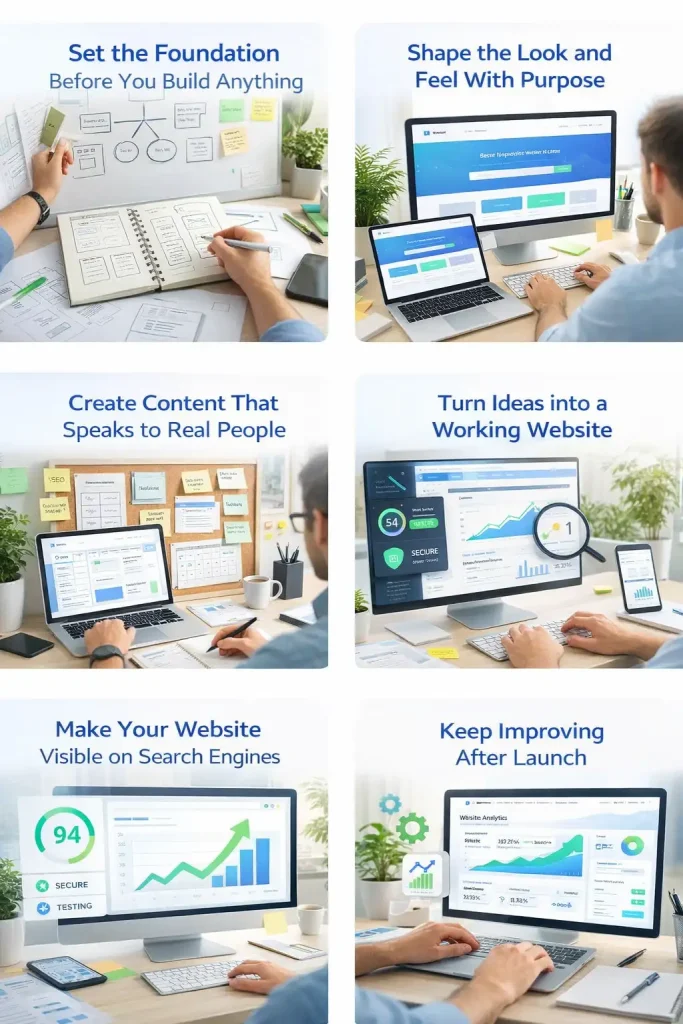
1. Set the Foundation Before You Build Anything
A new website should never start with design or colors. It should start with thinking. This phase decides whether your website will support your business or just exist online.
Define Your Main Goal
Do you want more inquiries, more sales or better brand presence? Your goal shapes every page and feature. Without this clarity, your website becomes a mix of random ideas.
Understand Your Audience
Know who they are, what they search for and what problems they want to solve. When you understand this, you can design pages that speak to them.
Plan the Structure
Decide how many pages you need and how users will move between them. A clear structure helps users find information fast and reduces confusion.
This stage also includes choosing the right platform, domain name and hosting. These technical choices affect performance, security and future growth. Planning may feel slow, but it saves you from expensive mistakes later.
2. Shape the Look and Feel With Purpose
Design is not only about making the website look good. It is about making it easy to use.
Start with Layout
Users should understand where they are and what to do within a few seconds. Navigation should stay simple. Important pages should remain visible.
Focus on Visual style
Colors, fonts and images should match your brand. They should create trust, not distractions. Too many elements confuse users and reduce attention.
Mobile Design Needs Special Focus
Most users visit from phones, so your design must work well on small screens. Buttons should be easy to tap and text should stay readable.
Good design guides users toward action. It leads them to contact forms, booking buttons or product pages without forcing them. When design feels natural, users stay longerand engage more.
3. Create Content That Speaks to Real People
Content is the voice of your website. It tells users who you are and why they should choose you. Every page should have a clear purpose. The homepage introduces your business. Service pages explain what you offer. The About page builds trust. A blog shares value and expertise.
Strong website content usually includes:
- Clear headlines that explain the page topic
- Short paragraphs that are easy to read
- Real benefits instead of generic claims
- Simple calls to action like “Get in touch” or “Request a quote”
- Internal links that guide users to related pages
Write in simple language. Avoid technical terms unless your audience expects them. Short sentences work better than long explanations.
Content should answer real questions:
- What problems do you solve?
- How do you work?
- What makes you different?
Also, think about SEO while writing. Use natural keywords, clear headings and internal links. This helps search engines understand your website and show it to the right people. Strong content builds a connection. It turns visitors into leads and leads into customers.
4. Turn Ideas into a Working Website
This is the stage where everything comes together. Developers turn designs and content into a real website. Here, performance matters a lot.
The website should load fast and work well on all devices. Forms should function well. Links should not break. Pages should display correctly in different browsers.
Testing is important before launch. Check every page, button and form. Fix errors early to avoid user frustration.
Once the website goes live, track the basic data. Use analytics tools to see how users behave. This shows which pages perform well and which needs improvements.
A smooth launch creates a strong first impression. It shows professionalism and builds instant trust.
5. Make Your Website Visible on Search Engines
A good website has no value if people cannot find it. This is where SEO plays an important role. SEO helps your website appear when users search for your services on Google. Without basic SEO, even a well designed website stays hidden.
At this stage, you should focus on:
- Page titles and meta descriptions
- Clean and readable URLs
- Proper heading structure
- Internal linking between pages
- Image optimization with alt text
SEO is not about keywords. It is about making your website easy to understand for both users and search engines.
Studies show that the top three organic results on Google capture most of the clicks, about 54.4% of all organic traffic when people search.
This means if your website does not rank near the top, very few users will click through to it, even if your service is a perfect match for what they need.
When SEO is part of your website from the start, you get better traffic, better leads and long term growth without relying only on ads.
6. Keep Improving After Launch
Many businesses think the job ends after launch. In reality, this is where real work starts. A website should grow with your business. Add new services, update content and publish blogs regularly. Fresh content keeps users engaged and helps SEO.
Review user behavior. See where users leave and where they convert. Use this data to improve layout and content. Update design when needed. Trends change and user expectations evolve. A modern look keeps your brand relevant.
Also, maintain security and performance. Update plugins, backup data and fix technical issues. Continuous improvement turns a simple website into a long term business asset. It keeps your online presence strong, visible and effective.
Closing Thoughts
In my view, a new website is not only a digital project. It is a business decision. When you plan it with the right structure, clear content and strong SEO, it becomes a tool that works for you every day. But when you rush the process or focus only on design, the website loses its real purpose.
Build Your Website the Right Way
A successful website does not start with colors or layouts. It starts with strategy. When every element supports your business goal, your website becomes a growth tool, not only an online presence.
Nettsidedesign designs and develops websites that focus on clarity, performance and results. We help businesses plan structure, content and user flow from the first step.
If you want a website that brings leads, builds trust and supports your long term growth, now is the time to start with a solid foundation. Contact us and let’s get started.
Key Takeaways
- A website should solve business problems, not just look good.
- Always start with a clear goal before building anything.
- Know your audience so your website speaks to the right people.
- Good design means easy use, not heavy visuals.
- Content should answer real questions and build trust.
- Mobile experience matters more than desktop now.
- SEO should be planned before the website website goes live.
- A slow or insecure website loses users fast.
- A website needs regular updates to keep growing.
FAQs
How much should a small business spend on a website?
It depends on goals and complexity. A simple website cost less while custom features and SEO increase the budget.
Do I need a blog on my business website?
A blog helps with SEO, trust, and traffic, but only if you plan to update it regularly.
What features are most important for lead generation?
Clear contact forms, strong calls to action, fast loading pages and trust elements like reviews.
Is website accessibility important?
Yes, accessible websites work better for all users and also support SEO.
What should I prepare before contacting a web agency?
Your goals, basic content ideas, examples you like and budget range.