Many people use the words website and web page as if they mean the same thing. In reality, they are two different things. If you run a business, plan a new website or want to improve your online visibility, it helps to understand the distinction.
No matter the reason, understanding the difference between a website and a web page makes everything easier. This guide explains both terms so you know what you need.
What is a Website?
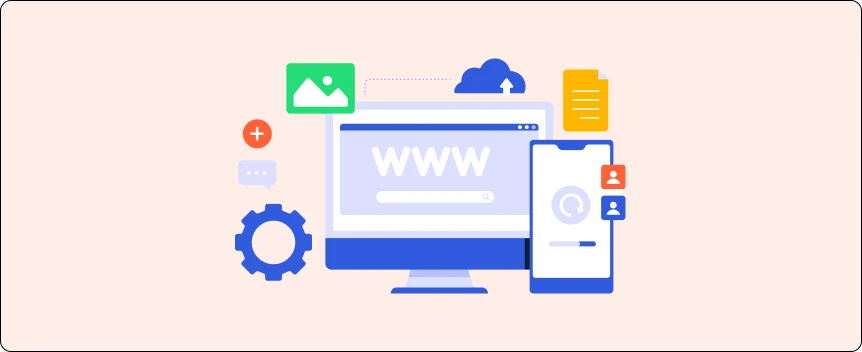
A website is a complete digital place. Think of it as a full house. The house has many rooms and each room has its own purpose. The website works the same way: it has many pages, sections, features, and designs that connect together.
Your website normally includes:
- Home page
- Service pages
- About page
- Contact page
- Blog
- Portfolio
- E-commerce pages (if you sell products)
- Forms and landing pages
All these pages build the full website. If someone visits your website, they are visiting your entire website, not only a single page.
How Does a Website Work?
A website works as a complete system that loads multiple connected pages through one domain. When a visitor enters your website address, the browser requests all the files stored on your hosting server. These files include your layout, design, text, images and the code that controls how everything appears.
The server sends these files back to the browser and the visitor sees the full website on their screen. The website lets users move from one page to another through menus, buttons and links. Each time a visitor clicks something, the browser loads a new page from the server.
Behind the scenes, your website also depends on hosting, security tools and a structure that keeps everything stable and fast. All these elements work together to create a smooth and organized experience.
What is a Web Page?
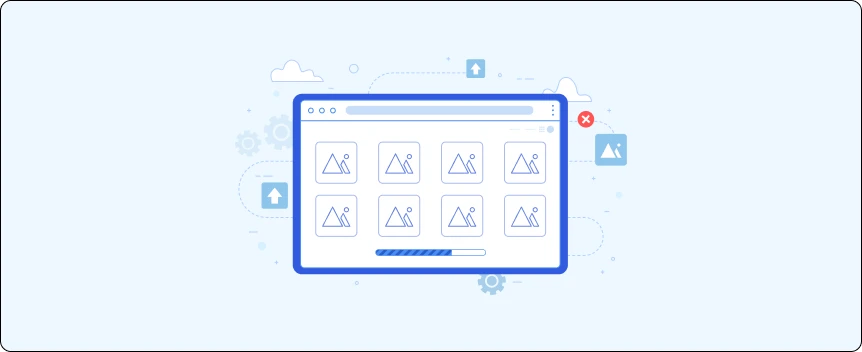
A web page is only one part of a website. It is a single screen with its own content. Each page has its own link on the internet.
For example:
- nettsidedesign.no/en/about-us
- nettsidedesign.no/en/contact-us
- nettsidedesign.no/en/services
These are all separate web pages inside the same website. Each web page serves one purpose. You can think of it as one room in your house. The room (web page) can’t stand alone. It needs the house (website) around it.
How Does a Web Page Work?
A web page works by loading one specific topic through its own URL inside the website structure. When someone clicks a page link or enters its URL, the browser loads only that specific page. The page shows its own text, images and layout, all designed around one clear topic. It follows the overall design of the website, but stays limited to its own purpose.
Each web page has its own link. When the browser opens that link, it displays only the content written for that page. Users can move to other pages through internal links or menus, but the web page itself functions as one standalone screen within the larger website.
Website vs Web Page
| Point | Website | Web Page |
|---|---|---|
| Size | Large structure with many pages | One single page |
| Purpose | Shows your full business | Focuses on one topic |
| Function | Can include menu, forms, shop, booking, and blog | Gives information only |
| Navigation | Has multiple links and sections | Has one location on the site |
| Domain | Uses the main domain | Uses a specific URL under the domain |
| SEO | Builds overall visibility | Ranks for one keyword/topic |
| User Journey | Guides users through many steps | Helps users understand one subject |
| Content Size | Wide and detailed | Limited content |
| Brand Impact | Shows full brand identity | Supports the brand with focused info |
| Growth Potential | Can expand with new pages and features | Cannot grow without the website behind it |
How Websites and Web Pages Work Together?
A website needs many pages. A web page needs a website. Both depend on each other. When you build a website for your business, you create:
- Pages for each service
- Pages for each location
- Contact page
- Home page
- Brand story page
- Landing pages for ads
- Blog pages for SEO
These pages connect through internal links. Google also understands your site better when pages are linked well. This improves your ranking and helps you appear in search results.
Why Your Website Needs More Than One Page?
If you run a business, you should never rely on a single page website. A single page feels limited and looks unprofessional. Users want space, structure and easy navigation. Here is why multiple pages matter:
- Better SEO: Search engines understand your topic better when each topic has its own page.
- Better User Experience: Users don’t want long scrolling. They prefer short sections spread across pages.
- Better Conversions: Customers trust a business that has a clear and detailed page structure.
- Better Clarity: Each page focuses on one topic, so users don’t feel confused.
- Better professionalism: A complete website shows that the business is serious.
Good structure makes your website stronger from every angle. It helps users find what they need and builds long term trust with your brand.
Signs You Need New or Updated Pages
Your website feels outdated or unclear; it might be time to add fresh pages or improve the ones you have. Here are the following signs you should look for:
People Can’t Find What They Need
When visitors open your site but struggle to locate simple information, it means your pages are not organized well. Users leave fast when navigation feels confusing or crowded.
Your Google Ranking is Weak
If your pages don’t show up in search results, you may not have enough focused pages for each service or topic. Google understands your business better when every subject has its own dedicated page.
Customers Ask Too Many Basic Questions
If your inbox fills with the same simple questions, your website is not answering them. New or updated pages can give clear information your customers need upfront.
Your Services Don’t Feel Clear
If users still ask, “What exactly do you offer?” then your service pages are either missing or too broad. Each service has its own simple page that explains what it does.
You Have New Services, But No Pages for Them
When your business grows, but your website stays the same, customers can’t see the updates. Each new service needs its own page so people understand what you offer today, not what you offered years ago.
Your Pages are Too Long
Long scrolling without a clear structure overwhelms users. When one page tries to cover too many topics, people lose interest. Breaking content into separate pages makes everything easier to read.
Build a Website with Nettsidedesign.no
Your website should help people find you and understand what you do. When your pages are clear and organized, visitors can see your services and contact you without confusion.
Our nettsidedesign.no team helps businesses create websites that attract customers and grow online. We add the right pages, show your services and make it easy for customers to reach you. Contact us and turn your website into a tool that grows your business.
Key Takeaways
- A website is the full online place for your business, while a web page is one part of it.
- A website contains many connected pages under one main domain.
- A web page focuses on only one topic and has its own specific link.
- Your full website shows your brand, services, and business identity.
- Each web page supports the website by giving clear information on one subject.
- Multiple pages assist your website’s rank better on Google.
- Separate pages make it easier for visitors to find what they want.
- A well structured website looks more professional and trustworthy.
- Long single pages can confuse users and reduce interest.
- New services and updates always need new or improved web pages to stay relevant.
FAQs
What is a landing page?
A landing page is a single page made for one goal, like getting sign ups, selling a product or promoting an event.
Do web pages help with Google ranking?
Yes. Each page can target specific keywords, making it easier for search engines to understand your services.
Can one page website work?
Yes, for small campaigns, events or landing pages. But for long term business growth, a multi page website is better.
What is the difference between a homepage and a web page?
The homepage is the first page of your website and gives an overview. Other web pages focus on a specific topic.
Can too many pages confuse visitors?
Not if the website is well organized. Clear menus and proper structure help users navigate easily.